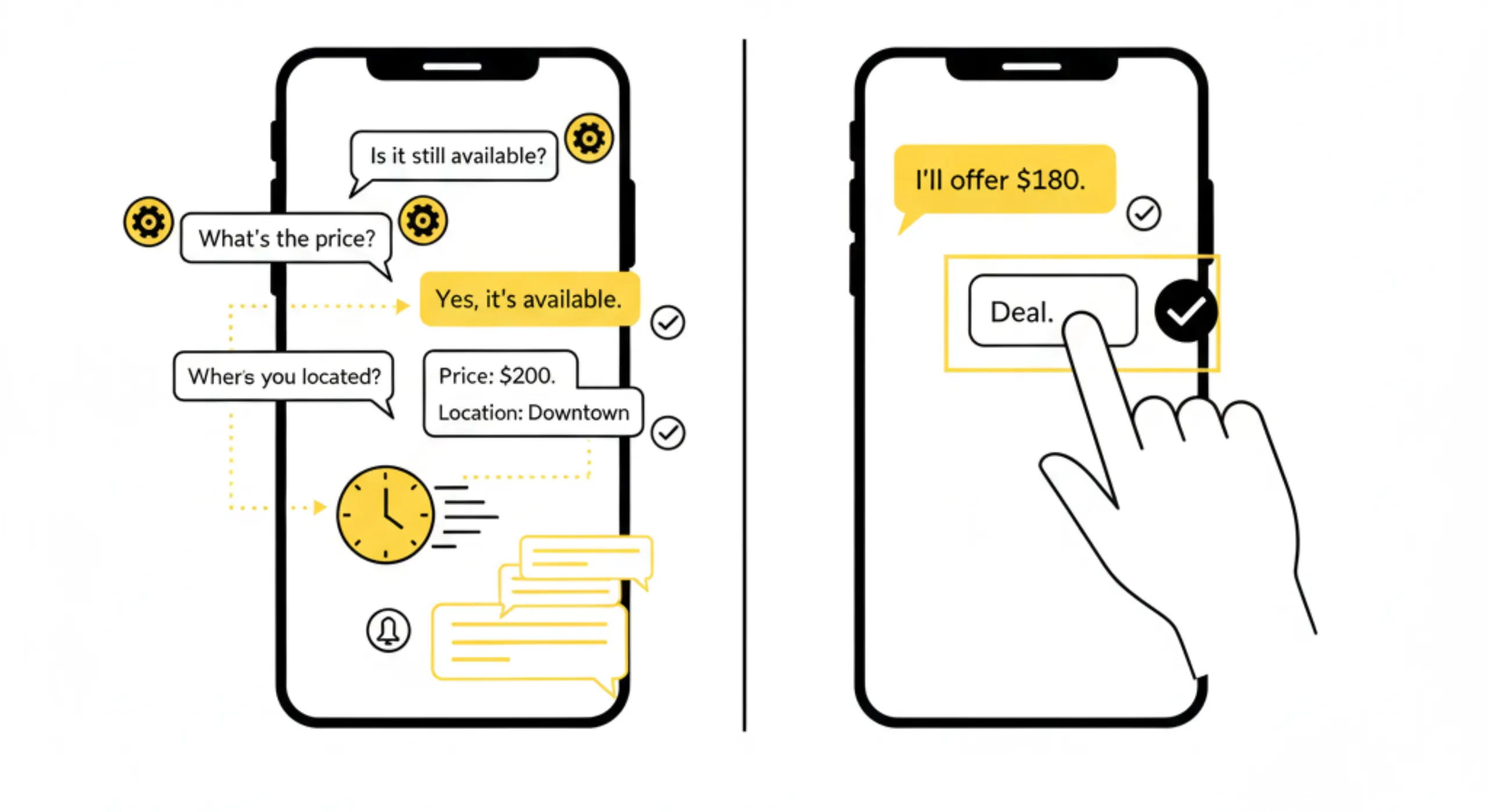
You’ve listed your bike for sale. Someone contacts you, agrees to your price immediately, and says they’ll send a courier to pick it up. They just need you to confirm payment by sharing an OTP that will arrive on your phone. It sounds efficient, but alarm bells should be ringing.
Fraud in online selling is real, and it’s not always obvious. Scammers have become sophisticated, using fake payment confirmations, phishing links, and pressure tactics to steal money or items from unsuspecting sellers.
The problem is worse on large, crowded platforms where you’re dealing with strangers from across the country. You have no way to verify who they are, and distance makes it easy for them to disappear.
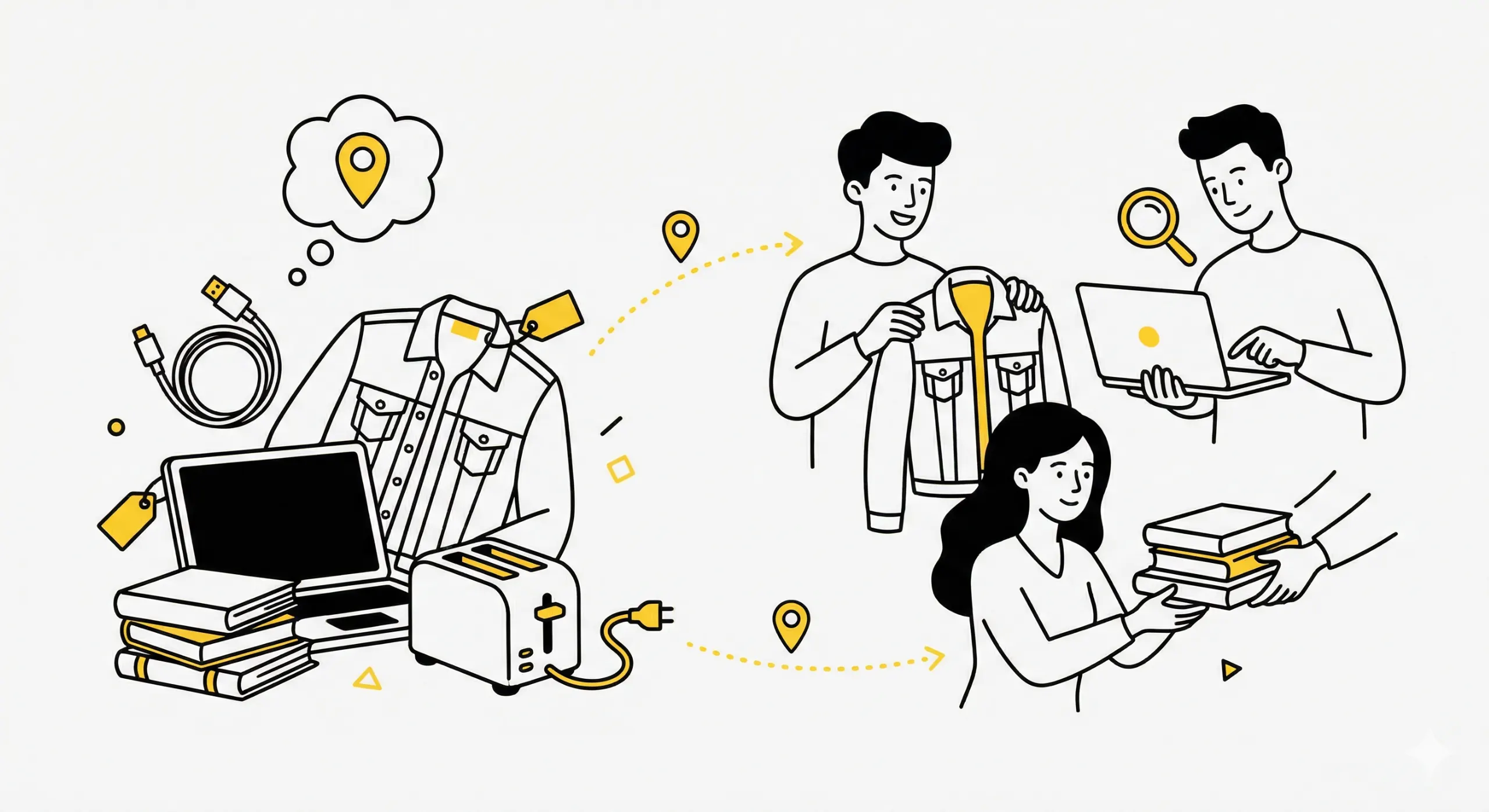
When you buy and sell locally through Sympl classifieds, many fraud tactics become irrelevant. Face-to-face transactions, cash payments, and direct communication naturally protect you. But it helps to know what to watch for and how to stay safe.
Why Fraud Thrives on Online Marketplaces
Fraudsters rely on three things: volume, distance, and complexity.
Volume: On platforms with millions of listings, they can contact hundreds of sellers with the same scam. If even a small percentage fall for it, they profit.
Distance: When you’re dealing with someone in another city or state, there’s no accountability. They can vanish without a trace.
Complexity: Complicated payment systems, shipping logistics, and platform policies create confusion. Scammers exploit that confusion to make their tricks seem legitimate.
Common fraud tactics include:
- Fake payment screenshots that look like genuine bank notifications
- Requests for OTPs under the guise of “payment verification”
- Phishing links claiming to facilitate payment
- Overpayment scams where they ask you to refund excess money
- Courier pickup scams involving advance fees
These tactics work because they create urgency and exploit trust. “Act now or lose the sale” is their favourite pressure point.
Core Principles for Selling Without Fraud Risk
The good news is, avoiding fraud doesn’t require technical knowledge. It requires following basic principles.
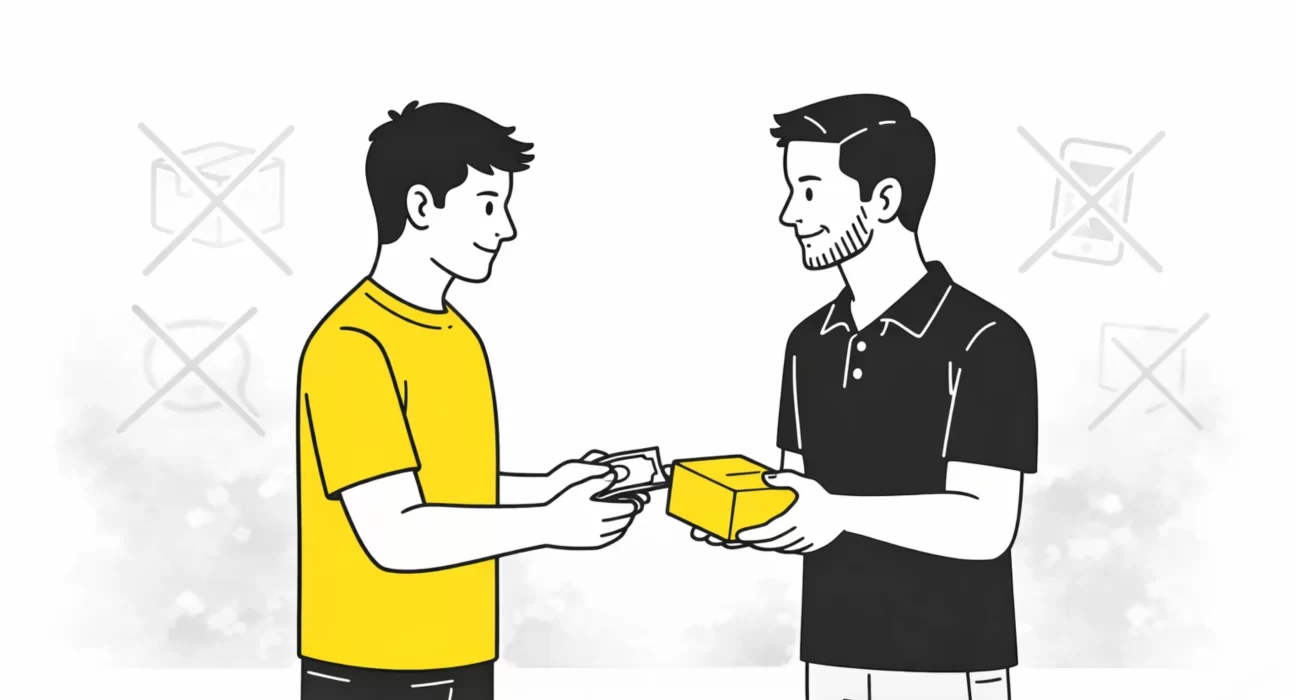
Stick to face-to-face transactions : This is the single most effective fraud prevention method. When you meet someone in person, they can’t fake payment, steal your details, or disappear without consequences.
Accept cash whenever possible: Cash is immediate, verifiable, and leaves no room for payment scams. No screenshots to fake, no OTPs to steal, no chargebacks to worry about.
Never share OTPs:No legitimate buyer needs your OTP for any reason. OTPs are for verifying your identity sharing them gives someone access to your accounts.
Don’t click links from buyers: Payment doesn’t require you to click external links. If someone sends a URL for “payment confirmation” or “verification,” ignore it.
Verify payments in your actual app : If someone claims they’ve transferred money, open your bank or payment app directly and check. Don’t trust screenshots or SMS messages they send.
Meet in public places for high-value items : Cafes, malls, metro stations, or community centres are safe, neutral ground for both parties.
These principles cover most fraud scenarios you’ll encounter.
Specific Fraud Tactics and How to Avoid Them
Let’s go through the most common scams targeting sellers.
The Fake Payment Screenshot
How it works: The buyer sends a screenshot showing they’ve transferred money to your account. They ask you to hand over the item or share an OTP to “release” the funds. The payment never happened.
How to avoid it: Always check your actual bank or payment app. Don’t rely on screenshots they’re easy to fake. No money in your account = no transaction.
The OTP Scam
How it works: The buyer asks for your phone number to “confirm details.” They then try to log into your payment app using your number and request the OTP that arrives, claiming it’s for payment verification.
How to avoid it: Never share OTPs. Ever. If someone asks for it, end the conversation immediately.
The Overpayment Con
How it works: They claim they’ve accidentally sent more money than agreed and ask you to refund the difference. The original payment is fake, so you end up sending real money to them.
How to avoid it: If someone claims overpayment, check your account first. If no money has arrived, ignore the request. If money has arrived, refund through proper banking channels, not to a different account they suddenly provide.
The Phishing Link
How it works: They send a link to “verify the sale” or “receive payment.” The link takes you to a fake page that steals your login details or installs malware.
How to avoid it: Never click links from buyers. Legitimate payments happen within banking apps, not through external URLs.
The Advance Fee Request
How it works: For items like bikes or appliances, they say they’ll send a courier but need you to pay a small “processing fee” or “insurance” first. Once you pay, they disappear.
How to avoid it: Never pay anything to a buyer. If they want courier pickup, they arrange and pay for it not you.
The pattern is clear: scammers try to complicate simple transactions. Keep things simple, and most scams fall apart.
How Local Buying and Selling Eliminates Most Fraud
When you sell locally, the nature of the transaction protects you.
Face-to-face meetings: You hand over the item, they hand over cash. No payment gateways, no OTPs, no screenshots. Nothing digital to fake.
No shipping complications: Scammers often use courier pickup as an excuse to avoid meeting or to request advance payments. Local sales don’t involve couriers, so that entire fraud category is irrelevant.
Immediate accountability: When someone knows they’ll meet you in person, they’re far less likely to attempt fraud. There’s a social and physical accountability that doesn’t exist in online-only transactions.
Simpler process: Simple classifieds focus on direct exchanges. The fewer steps involved, the fewer opportunities for scammers to insert themselves.This doesn’t mean local selling is completely risk-free, but it eliminates the vast majority of online fraud tactics.
Real Example: Fraud Avoided Through Local Selling
A student in Delhi posted an ad to sell his gaming laptop. Within hours, he got a message from someone claiming to be from Jaipur, offering the full asking price without negotiation.
The buyer said he’d arrange courier pickup and sent a “payment confirmation” screenshot. Then he asked the student to share an OTP that had just arrived to “activate the transfer.”
The student paused. Why would someone from another city buy a laptop without seeing it? Why was courier pickup necessary for a local ad? Why was there an OTP request?
He checked his bank app no payment had arrived. He ignored the OTP request and stopped responding.
Later that day, he got a message from someone in his own neighbourhood. They met at a nearby café, the buyer tested the laptop thoroughly, negotiated a small discount for a minor scratch the student had mentioned, and paid in cash.
Transaction completed in thirty minutes. No fraud risk, no complications.
Who Should Be Most Careful About Fraud
Certain groups are more vulnerable, not because they’re careless, but because they’re less familiar with how fraud works.
First-time sellers : who don’t know what normal buyer behaviour looks like. They might assume requests for OTPs or payment links are standard.
Students : selling high-value items like phones, laptops, or bikes. Scammers target these listings because the potential payoff is bigger.
Families : trying to sell appliances or furniture while managing other responsibilities. They might rush through verification steps and miss red flags.
Working professionals : selling expensive electronics. The higher the value, the more attractive the listing is to fraudsters.
If you’re in any of these groups, take extra time to verify who you’re dealing with before proceeding.
Practical Steps to Protect Yourself While Selling
Here’s a simple checklist for fraud-free selling.
Default to face-to-face meetings : Make this your standard for all local transactions. It solves most problems before they start.
If you must accept digital payment, verify it yourself : Don’t trust what the buyer tells you or shows you. Open your banking app and confirm the money is there.
Use cash for simplicity : Especially for items under a few thousand rupees, cash is the easiest, safest option.
Be suspicious of immediate agreement : If someone accepts your price without questions, wants courier pickup for a local item, or creates urgency, slow down and think.
Don’t share personal information unnecessarily : Your address, workplace, or alternate contacts aren’t needed until you’ve confirmed the buyer is genuine and you’re ready to meet.
Trust your instinct : If something feels off, if the buyer’s story doesn’t make sense, if they’re pushing too hard, or if they’re asking for things that seem strange, walk away. Most fraud succeeds because people ignore their gut feeling in favour of closing the sale quickly.
What to Do If You Suspect Fraud
If you think someone’s trying to scam you, the response is simple: stop engaging.You don’t need to explain yourself or prove they’re a scammer. Just stop replying.If you’ve shared some information but haven’t completed the transaction, change your passwords and monitor your bank account for unusual activity.
If you’ve been defrauded, if you’ve lost money or handed over an item based on fake payment, file a complaint with your local police and your bank immediately. Many scams can be traced if reported quickly.Don’t feel embarrassed. Scammers are professionals, and even careful people can be caught off guard. Learn from it and move forward.
Time and Money Saved by Avoiding Fraud
Here’s something people don’t always consider: avoiding fraud isn’t just about not losing money, it’s about not wasting time dealing with the after math.
If you fall for a scam, you lose the item or money, yes. But you also lose hours filing complaints, talking to your bank, dealing with police, and trying to recover what was stolen.You lose trust in the process, which makes future transactions stressful.And you lose the opportunity to sell to a genuine buyer while you were distracted by the scammer.
When you sell locally through Sympl classifieds and stick to face-to-face, cash transactions, you eliminate all of that. You sell items fast to real people without the stress of wondering if you’re being tricked.That peace of mind is worth a lot.
How Sympl Supports Safer Selling
Sympl is built around straightforward, local transactions.By focusing on Sympl classifieds that connect local buyers and sellers, the platform reduces the conditions that fraudsters rely on distance, complexity, and anonymity.There’s no requirement to link bank accounts, share payment details, or navigate multi-step verification. You post what you’re selling, buyers contact you, and you arrange to meet.
This simplicity makes it harder for scammers to insert fake payment confirmations, phishing links, or courier pickup stories into the process.Fraud can happen on any platform, but the design of local, face-to-face selling naturally filters out most common tactics.
Building Awareness Without Paranoia
The goal isn’t to make you afraid of selling online. It’s to make you aware of how fraud works so you can protect yourself without stress.Most people you’ll deal with are honest. They want what you’re selling, they’ll pay fairly, and they’ll meet you at a reasonable time and place.
Scammers are the minority, but they’re persistent. Knowing their tactics doesn’t mean assuming everyone’s dishonest, it just means you’re prepared to recognise warning signs when they appear.And when you sell locally through Sympl classifieds, those warning signs are easier to spot because the process is more transparent.
Why Cash Transactions Remain the Safest Option
In an age of digital payments, cash might seem outdated. But for local buying and selling, it’s still the gold standard for fraud prevention.
Immediate verification: You can see and count the cash. There’s no waiting for confirmations or worrying about chargebacks.
No digital footprint to exploit : Scammers can’t hack cash, fake cash transfers, or steal your banking details.
No platform fees : You get the full amount you agreed on, with nothing deducted.
Universal acceptance : Everyone understands cash. There’s no confusion about apps, QR codes, or payment gateways.
Instant finality : Once you have the cash, the transaction is done. No disputes, no reversals.
For students, families, and working professionals selling everyday items like phones, bikes, furniture, or appliances, cash keeps things simple and safe.
When Digital Payments Are Necessary
Sometimes cash isn’t practical, usually for very high-value items or when both parties prefer digital records.If you must accept digital payment:
Use established trusted apps : Stick to major banking apps or payment platforms you already use. Don’t download new apps suggested by the buyer.
Verify in real-time : While still with the buyer, open your app and confirm the money has arrived in your account.
Wait for confirmation before handing over the item : Don’t trust “payment pending” messages. Wait until it’s actually in your account.
Be extra cautious with new contacts : If you don’t know the buyer and they insist on digital payment, that’s not necessarily suspicious but verify everything carefully.Even with digital payments, meeting in person adds a layer of security that remote transactions can’t match.
How Local Classifieds Naturally Filter Out Fraudsters
Here’s an interesting thing about local buying and selling: the very structure of it discourages fraud.
Proximity requirement: Scammers prefer operating remotely because it’s safer for them. When you require a face-to-face meeting, many won’t bother contacting you.
Cash preference: Most local transactions happen in cash, which eliminates the digital fraud tactics scammers rely on.
Direct communication: You’re talking directly to the buyer, not through platform messaging systems that scammers can manipulate.
Smaller audience: Your ad reaches nearby people, not a national audience. This reduces the volume of contact, making it easier to spot suspicious behaviour.
Simpler process: There’s no complicated workflow for scammers to exploit. Meet, inspect, pay, done.
Sympl classifieds that focus on local connections naturally create an environment where fraud is harder to execute.
Conclusion:
Selling items without dealing with fraud isn’t complicated. It comes down to keeping transactions simple, local, and transparent. Meet buyers in person whenever possible. Accept cash or verify digital payments in your own app before handing over items. Never share OTPs or click on links. Trust your instinct when something feels wrong.
For students clearing out electronics, families selling appliances, or working professionals offloading items they no longer need, local classifieds offer a safer way to transact than crowded national marketplaces.You get the speed and efficiency of direct communication with nearby buyers, without the fraud risks that come with complex, remote transactions.
The simplicity of local buying and selling isn’t just convenient it’s protective. It eliminates most of the conditions that fraud relies on and gives you control over the process from start to finish.That’s the practical value of keeping things local, straightforward, and grounded in real, face-to-face interaction.
Stay aware, stay sensible, and you’ll be fine.