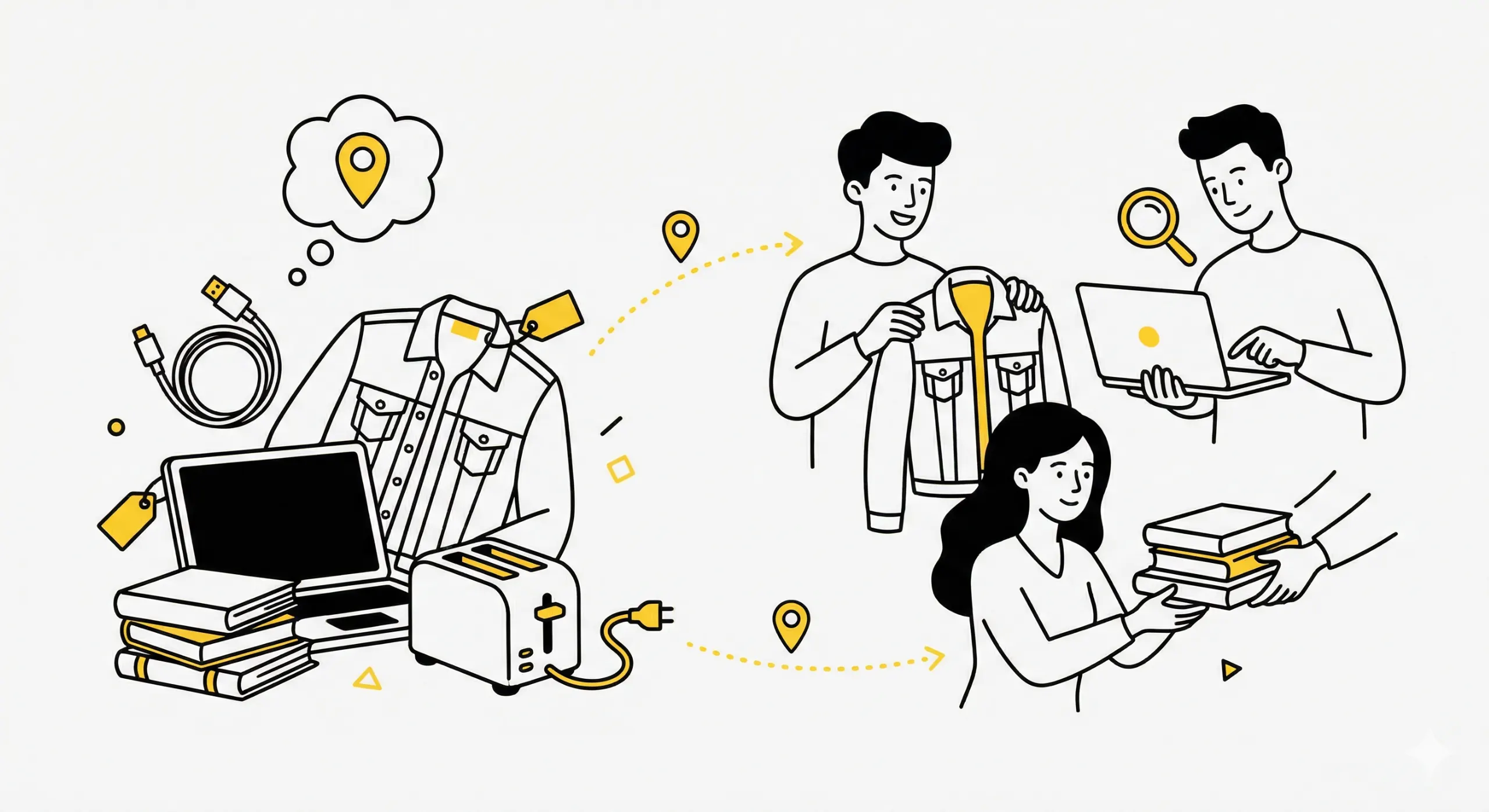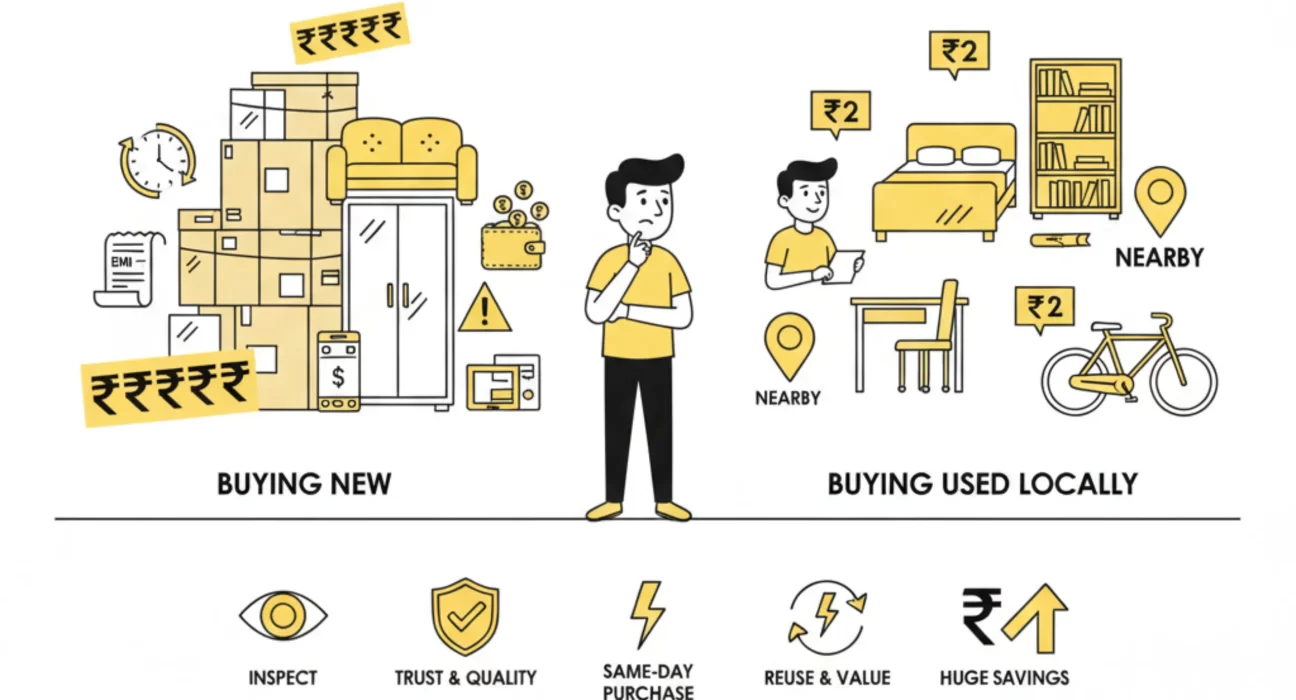
You’re moving into a new apartment. You need a bed, a study table, a chair, some kitchen shelves, and a few other basics. You calculate the cost of buying everything new. The total makes you wince. Even with budget furniture, you’re looking at spending a significant chunk of your savings on items you might use for only two or three years before moving again. Then a colleague mentions they bought most of their furniture second-hand when they relocated. Good quality. Barely used. A fraction of the retail price. They saved enough to spend on things that actually mattered to them. You start wondering: why do we default to buying new when used options exist?
The belief that new is always better runs deep. But for many everyday items, buying used simply makes more practical and financial sense. You get what you need, save money, and avoid paying full price for items that lose value the moment you buy them. When you buy and sell locally through Sympl, finding quality used items becomes straightforward. No complicated research. No risky long-distance purchases. Just direct connections with nearby buyers and sellers offering practical alternatives to retail shopping.
Why We Default to Buying New
The main reason is habit and perception. New items feel reassuring. They’re untouched, boxed, and marketed as “perfect.” There’s comfort in knowing you’re the first owner. Marketing strengthens this mindset. Advertisements constantly push the idea that new is better, newer is smarter, and upgrading is progress. There’s also a trust gap. Many people worry that used items come with hidden problems or that sellers are offloading junk. The fear of regret often outweighs the appeal of saving money. In India, EMIs and festive discounts make new purchases feel affordable at the moment, even if they stretch budgets over time. But this default to buying new often leads to unnecessary spending. For many items, used alternatives deliver the same functionality at a much lower cost especially when you inspect them properly.
Items That Make Perfect Sense to Buy Used
Some categories are ideal for second-hand buying because they depreciate quickly or because their usefulness doesn’t change with age.
Furniture
A solid wood table works just as well after three years as it did when new. Beds, chairs, sofas, and bookshelves if they’re structurally sound and clean, there’s little reason to pay retail prices.
Textbooks and Study Materials
The content doesn’t change based on ownership. Students save thousands each semester by buying used books.
Exercise Equipment
Treadmills, dumbbells, yoga mats, resistance bands are sold in near-new condition after a few months of use.
Kids’ Items
Children outgrow clothes, toys, cribs, and strollers quickly. Buying these uses makes sense for short-term needs.
Kitchen Appliances
Mixers, toasters, and rice cookers last for years. A well-maintained used appliance performs just like a new one.
Bikes and Scooters
Vehicles depreciate the moment they’re registered. A one- or two-year-old bike can save you a significant amount while still being reliable.
Phones and Laptops (with care)
If you don’t need the latest model, buying a device that’s a year or two old offers excellent value.
Musical Instruments
Guitars, keyboards, and other instruments retain quality well, ideal for beginners who don’t want to overspend.The common factor? These items keep their core utility. Age doesn’t reduce their ability to do the job.
When Buying New Makes More Sense
Used isn’t always the better choice.
- Items near the end of their lifespan A heavily used appliance with only a year or two left may not be worth the savings.
- Products where hygiene matters deeply Mattresses, pillows, and personal care items are usually better bought new.
- Items you’ll use daily for many years A work laptop that needs warranty coverage and updated specs may justify a new purchase.
- Minimal price difference If used pricing is close to new, the warranty and peace of mind may be worth it.
- Fast-evolving technology Some older models miss features that are now standard.
The goal isn’t to always buy used or always buy new. It’s to evaluate each purchase realistically.
Real-Life Scenarios Where Used Saves Money
- A student furnishing a hostel room A used table, chair, and shelf cost far less and can be resold later.
- A family setting up a child’s room Furniture and toys bought second-hand serve their purpose for a few years, then move on.
- A professional relocating for work Used furniture suits temporary rental living without heavy investment.
- A fitness enthusiast starting at home Buying used equipment reduces risk if the habit doesn’t stick.
- Someone learning a new skill Used cameras, instruments, or tools prevent overspending on uncertain hobbies.
In each case, buying used solves the need without the burden of retail pricing.
Why Local Buying Makes Used Purchases Easier
Buying locally changes everything.
- Inspect before you buy See the item in person. Test it. No surprises later.
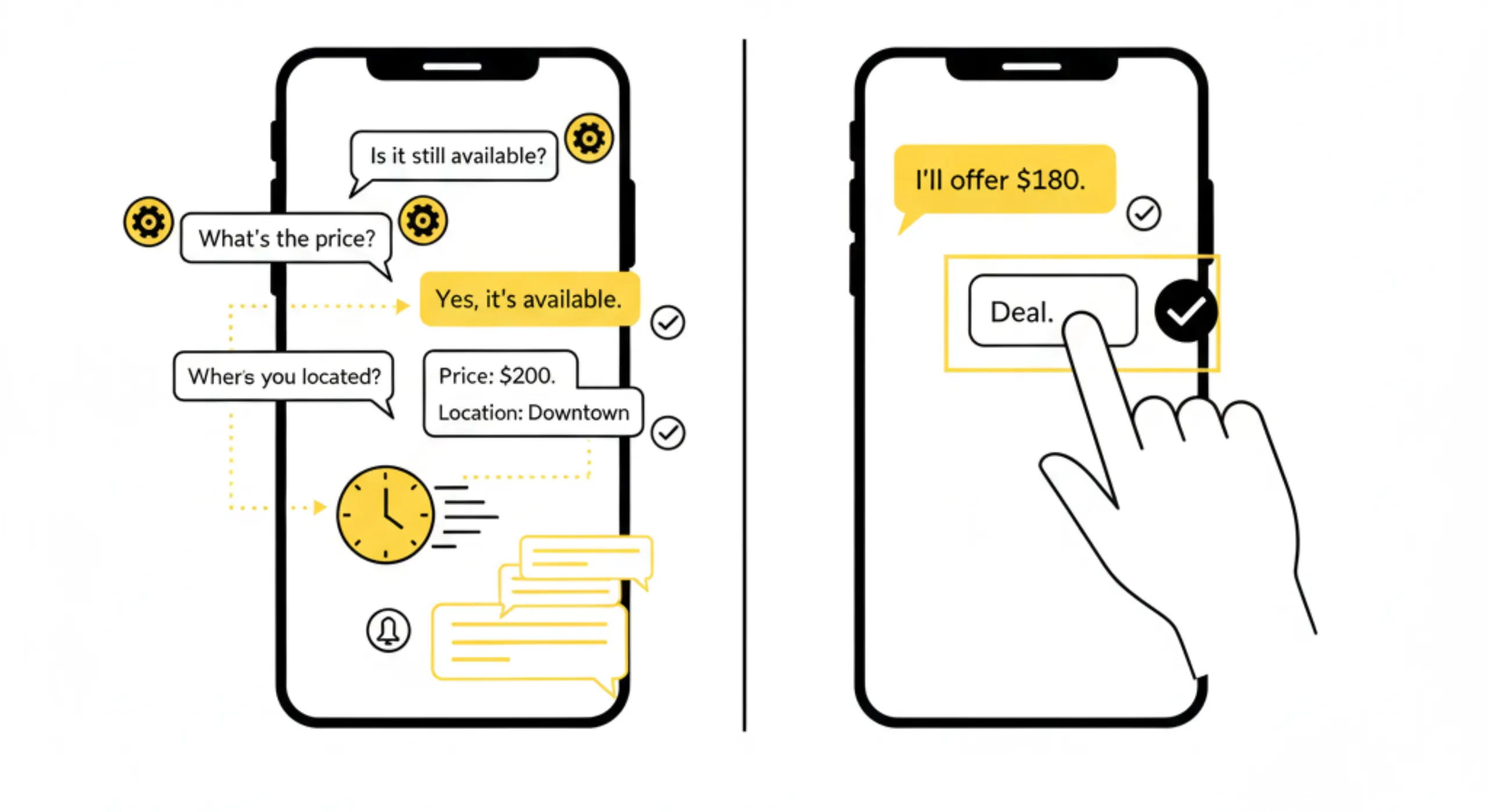
- Ask questions directly Talk to the seller. Understand how the item was used and why it’s being sold.
- Negotiate realistically Minor wear becomes a fair point for price discussion.
- Avoid shipping hassles No delivery delays, damage risks, or extra costs.
- Built-in accountability Local sellers are more transparent when they expect a face-to-face meeting.
Sympl is built around this local-first approach, making buying and selling nearby simple, direct, and trustworthy.
Cost Benefits That Add Up
The savings from buying used compounds quickly.
Furnishing an apartment with used items can save tens of thousands of rupees. Buying used electronics, bikes, or appliances often costs half of retail while delivering similar performance. For students, young professionals, and families on tight budgets, this isn’t minor savings it’s meaningful financial relief.
Quality Checks That Matter
Buying used doesn’t require expertise just attention.
- Test functionality thoroughly Look for signs of proper maintenance
- Verify authenticity for branded items
- Assess remaining lifespan
- Compare local market prices
Local buying through Sympl makes these checks easy because everything happens in person.
Environmental and Practical Benefits
Buying used also means:
- Less waste in landfills
- Reduced unnecessary consumption
- Support for a local circular economy
- Immediate availability no waiting
These benefits translate into real convenience, not just abstract ideals.
Who Benefits Most From Buying Used
- Students
- Families with young children
- People who relocate frequently
- First-time buyers on a budget
- Anyone focused on value over status
Overcoming the Hesitation
Concerns are normal at first:
- What if it breaks? → Inspect and test.
- What if it looks worn? → Be selective.
- Is it hygienic? → Clean properly or avoid sensitive items.
- Am I overpaying? → Compare prices.
- Can I trust the seller? → Meet locally and trust your judgment.
Confidence grows with experience.
Sympl vs. Large Marketplaces
Large marketplaces add noise nationwide listings, shipping costs, and unclear sellers. Sympl keeps buying and selling locally. You see what’s nearby, talk directly to sellers, and complete transactions quickly. Buying used works best when trust is local and that’s exactly how Sympl is designed.
Making Used Buying a Habit
Once you start, it becomes instinctive. Before buying new, you check Sympl. Often, you find what you need for less. Over time, you save money and start selling items you no longer need, recovering value instead of losing it. Buying used isn’t about settling. It’s about recognizing that utility doesn’t depend on newness.
A table doesn’t work better because it’s new. A textbook doesn’t teach better because you’re the first owner.
A bike doesn’t ride better because it came from a showroom. The next time you need something, pause before defaulting to new. Check what’s available locally on Sympl. You might find exactly what you need at a price that simply makes more sense. Smart buying isn’t about choosing cheap. It’s about choosing value.