You invested in a hobby photography, painting, gaming, music, cycling and bought equipment that seemed essential at the time.
Now your interests have shifted. The DSLR camera sits unused, the guitar gathers dust, the gaming console hasn’t been turned on in months. These items cost you thousands, sometimes lakhs, and they’re still in good condition. Someone who’s passionate about that hobby would love to have them.
But selling hobby items isn’t like selling phones or furniture. The general buyer doesn’t understand why a particular lens matters or what makes one gaming controller better than another. You need to find people who actually care about these specific items enthusiasts who appreciate quality gear and understand its value.
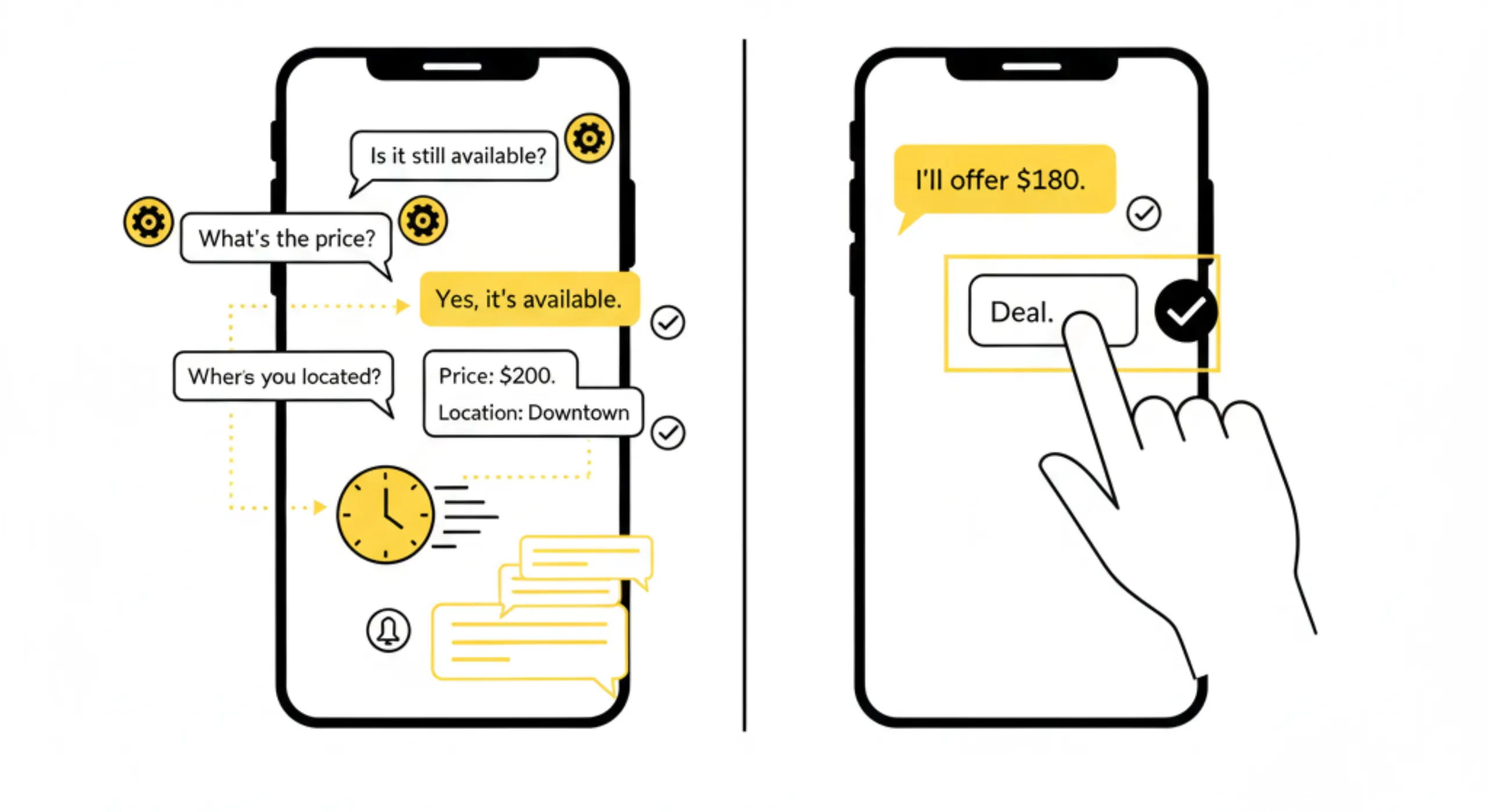
Most online platforms show your listing to everyone, which means endless questions from casual browsers or lowball offers from people who don’t know what they’re looking at. Shipping delicate or expensive hobby equipment adds risk and cost.
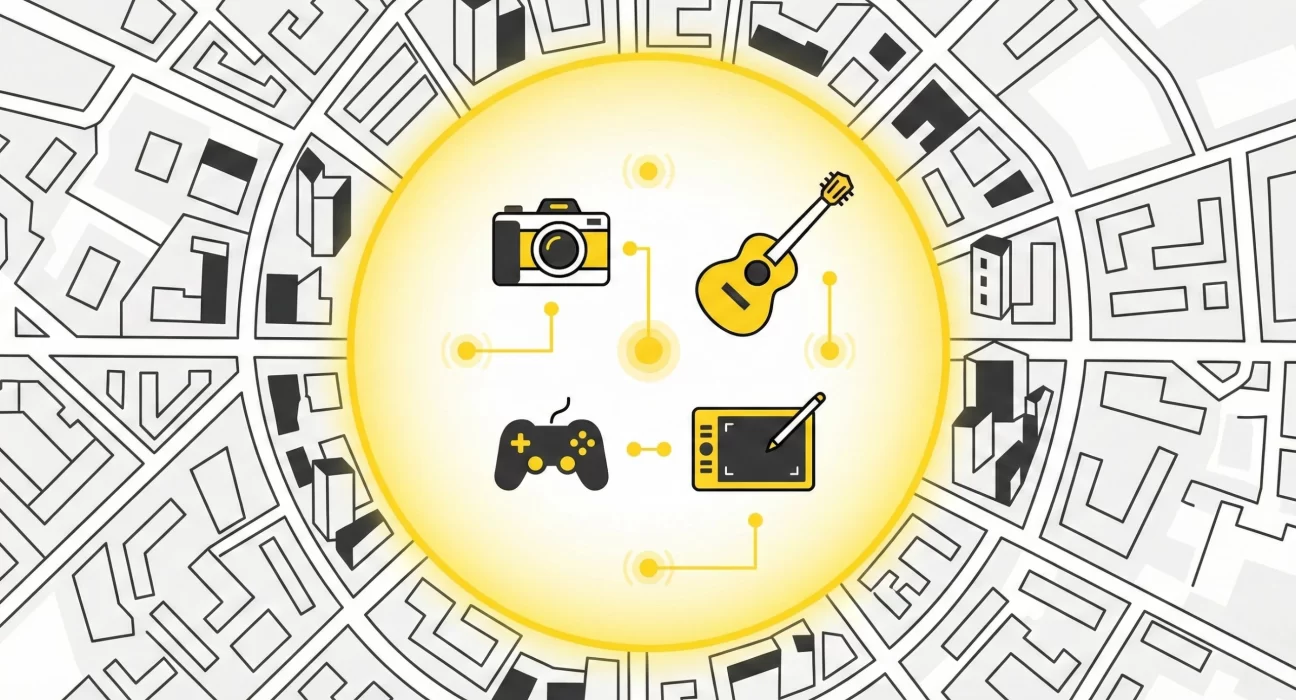
Local classifieds solve this by connecting you with people nearby who share the same interests. When someone searches for photography equipment or art supplies in your city, they’re already invested in that hobby. They understand what you’re selling, why it’s valuable, and are more likely to pay fair prices.
Why Hobby Items Need Specialized Buyers
The main challenge with selling hobby equipment is that its value isn’t obvious to everyone.
A ₹50,000 lens looks like just another piece of glass to someone who’s never used a DSLR. A professional art tablet seems overpriced to people who don’t create digital art. A rare vinyl record means nothing to someone who only streams music.
Hobby enthusiasts, on the other hand, immediately recognize quality equipment. They know brand reputations, understand specifications, and appreciate the difference between entry-level and professional gear.
This creates a fundamental mismatch on general selling platforms. You’re trying to sell specialized items to a general audience. Most viewers don’t understand what you’re selling, which leads to:
- Questions that show the person isn’t serious (“Can this camera take Instagram photos?”)
- Unrealistic price expectations (“My phone has more megapixels, why is your camera so expensive?”)
- Time wasted explaining basics to people who’ll never buy
When you buy and sell locally within hobby communities or to people actively searching for specific equipment, conversations become more productive. Both sides speak the same language.
Understanding Your Hobby Item’s Real Value
Before selling, you need realistic expectations about pricing and demand.
Different hobbies have different resale values:
Photography equipment
Quality camera bodies, lenses, and accessories hold value well. Professional and semi-professional gear from brands like Canon, Nikon, and Sony finds buyers easily. Entry-level equipment sells too but at lower margins.
Condition matters significantly. Sensor dust, lens fungus, or body damage reduces value substantially. Original boxes, lens caps, and accessories increase appeal.
Musical instruments
Good guitars, keyboards, and drums retain value if well-maintained. Branded instruments (Yamaha, Fender, Roland) sell better than generic ones.
Condition is a crucial check for tuning stability, electronic functionality, physical damage. Include any cases, stands, or accessories you have.
Gaming equipment
Consoles and games sell well, especially if they’re recent generations or have nostalgic value (older Nintendo, PlayStation systems). Controllers, gaming chairs, and monitors find buyers among serious gamers.
Include original packaging if available. Verify all functions work perfectly gamers are particular about controller responsiveness and console performance.
Art supplies and equipment
Professional-grade materials (Wacom tablets, quality brushes, unused canvases) appeal to serious artists. Partially used supplies sell if they’re high-quality brands.
Be honest about what’s left, how much paint, how many sheets, whether digital equipment has all cables and accessories.
Cycling gear
Good bicycles, especially road bikes, mountain bikes, or specialized cycles, find buyers among cycling enthusiasts. Accessories like helmets, gear sets, and cycling shoes also sell.
Mention the frame size, gear system, and any maintenance history. Buyers will want to test ride if possible.
Collecting items
Comics, stamps, coins, action figures, and memorabilia have niche markets. Rare or limited items command better prices. Condition and authenticity matter enormously.
Research current market value for collectibles prices fluctuate based on demand and rarity.
Understanding realistic pricing for your specific items helps you avoid disappointment and set fair expectations.
Describing Hobby Equipment Effectively
When listing specialized items, you can assume your buyer has knowledge, but clarity still matters.
Here’s how to describe different hobby items:
For photography gear
Mention exact model numbers, shutter count if it’s a camera body, lens condition (any fungus, scratches on glass, autofocus functionality), and what’s included (lens caps, hoods, filters, original box).
Example: “Canon 50mm f/1.8 STM lens, 2 years old, excellent condition. No fungus or scratches, autofocus works perfectly. Includes front and rear caps, original box.”
For musical instruments
State brand, model, age, and condition. Mention if it’s been professionally serviced, if all functions work, and any wear or damage.
Example: “Yamaha F310 acoustic guitar, 3 years old. Action properly set, no fret buzz. Minor scratches on body don’t affect sound. Includes a soft case.”
For gaming equipment
List exact model, storage capacity, included controllers and cables, condition, and any games you’re including.
Example: “PS4 Slim 1TB, works perfectly. Two controllers, all cables, 5 physical games included. Minor scratches on top, console runs quietly.”
For art supplies
Specify brand, quantity remaining, condition, and whether items have been stored properly.
Example: “Wacom Intuos Pro Medium tablet, lightly used. All buttons functional, pen included with extra nibs. Original box and cable.”
For cycling gear
Include frame size, brand, components (gears, brakes), any upgrades, and maintenance history.
Example: “Firefox 21-speed mountain bike, medium frame (17 inch), disc brakes. Well-maintained, recently serviced. Small scratches from use.”
The key is providing information that helps a knowledgeable buyer assess whether the item suits their needs without overwhelming them with unnecessary details.
Connecting With Interested Buyers Locally
When you sell items fast to the right audience, the entire process becomes smoother.
Hobby enthusiasts actively search for equipment in their area. A photographer looking for a lens checks listings regularly. A musician wanting to upgrade searches for used instruments locally. These are motivated buyers who know exactly what they want.
Local classifieds work because they match your specialized item with people nearby who are specifically looking for it. When someone searches for “DSLR lens” or “electric guitar” in your city, they’re not casual browsers they’re serious buyers.
This creates natural filtering. You’re not explaining camera basics to someone who’s never held a DSLR. You’re discussing lens quality with someone who already owns a camera and understands what they need.
Meeting locally also matters for hobby equipment because buyers want to inspect carefully. A guitarist wants to play the instrument before buying. A photographer wants to mount the lens on their camera and test it. This kind of thorough inspection only works face-to-face.
Being nearby also builds trust within hobby communities. Many cities have informal networks of enthusiasts photographers, musicians, gamers, artists who buy and sell equipment among themselves. Selling locally connects you with these communities naturally.
Pricing Based on Hobby Market Standards
Different hobbies have different pricing expectations, and knowing these helps you sell successfully.
When you buy and sell locally, you can research what similar items in your area actually sell for not just listing prices, but completed sales.
Generally, well-maintained hobby equipment sells for:
- 60–70% of original price if less than a year old and in excellent condition
- 50–60% if 1–2 years old with regular use but good maintenance
- 40–50% if 2–3 years old or showing wear
- 30–40% if older or entry-level equipment
Rare or discontinued items sometimes hold value better. Limited edition collectibles or out-of-production equipment can even be appreciated.
Professional-grade gear retains value better than entry-level items. A professional Wacom tablet or Canon L-series lens holds a better price than beginner equipment.
You can negotiate more effectively when both sides understand the hobby. If a buyer points out that a newer model just launched, you can adjust pricing. If they recognize your item is rare or well-maintained, they’re willing to pay fairly.
Don’t underprice just to sell quickly if your item is genuinely valuable. Hobby enthusiasts recognize quality and will pay appropriate prices for equipment they need.
Who Benefits From Selling Hobby Items Locally
This approach works especially well for certain situations and people.
Hobby switchers
If you’ve moved from photography to videography, or from painting to digital art, you have quality equipment you no longer need. Selling locally to people entering the hobby you’re leaving makes sense for everyone.
Upgrading enthusiasts
When you upgrade from entry-level to professional equipment, your old gear is perfect for someone just getting serious about the hobby. Local sales help you fund upgrades while helping beginners access better equipment affordably.
People downsizing collections
Collectors sometimes need to reduce their collections. Selling duplicates or less-interesting items locally finds them new homes with people who’ll appreciate them.
Students and young professionals
If you took up a hobby during college and now don’t have time for it, selling equipment locally recovers some investment while helping other students access affordable gear.
Anyone leaving a hobby temporarily
Life changes, new job, relocation, family responsibilities sometimes mean putting hobbies aside. Selling equipment to local enthusiasts keeps it in use rather than sitting in storage.
People who value connecting with others who share their interests will find this method more satisfying than anonymous online transactions.
Making Items Ready for Sale
Proper preparation helps hobby items sell faster and at better prices.
Clean and present well
Clean camera equipment carefully remove dust, wipe lenses with proper cloths, clean camera bodies. Polish instruments, clean game consoles, organize art supplies neatly.
Items that look cared-for command better prices and attract serious buyers.
Test everything thoroughly
Verify all functions work. Test camera autofocus, shoot sample photos, check instrument tuning, run game consoles through complete tests.
Be aware of any issues before meeting buyers. If something doesn’t work perfectly, decide if you should fix it or disclose it honestly.
Gather accessories and documentation
Include all original accessories—cables, cases, manuals, warranty cards, original packaging if available.
Hobby buyers appreciate complete kits more than just the main item.
Take quality photos
Use good lighting and clear photos showing the item from multiple angles. Include close-ups of any wear or damage.
For equipment, photograph it in use or set up properly this shows buyers it’s been maintained and works.
Be honest about condition
Mention any scratches, wear, replaced parts, or repairs. Hobby enthusiasts spot these things immediately anyway, so transparency builds trust.
Proper preparation shows you respected the equipment and maintained it properly, which increases buyer confidence.
Handling Specialized Questions and Meetings
When you meet hobby enthusiasts, conversations are different from general buyers.
They’ll ask specific questions:
- “What’s the shutter count?” (cameras)
- “Any fret buzz?” (guitars)
- “Does it drift?” (game controllers)
- “Pressure sensitivity working?” (art tablets)
Be ready with honest answers. If you don’t know something, say so and let them check during the meeting.
Most hobby buyers want to test equipment thoroughly. This is normal and expected:
- Photographers might bring their camera to test your lens
- Musicians will play instruments for several minutes
- Gamers will test controllers and consoles extensively
- Artists will draw on tablets to check responsiveness
Don’t rush these inspections. Serious buyers who test carefully are more likely to complete the purchase and less likely to have complaints later.
Many hobby enthusiasts also share tips or ask about your experience with the equipment. These conversations build rapport and make transactions feel more personal than business.
Why Sympl Classifieds Work Better for Hobby Equipment
Crowded marketplaces mix hobby equipment with thousands of other items across all categories.
Your specialized camera lens competes for attention with phones, furniture, and clothes. People browsing for general items see your listing and either ignore it or make uninformed inquiries that waste your time.
Sympl classifieds focus on connecting local buyers and sellers directly. When hobby enthusiasts search for specific equipment in their city, they find your listing without competing against commercial sellers or unrelated categories.
This creates more meaningful connections. You’re reaching people who are actually interested in what you’re selling, not random browsers.
For sellers, this means selling items fast to buyers who understand value and pay fair prices. For buyers, it means finding quality hobby equipment locally from people who actually used and maintained it, not dealers or commercial operations.
The local focus also helps build hobby communities. People who buy and sell equipment locally often stay connected, sharing tips, organizing meetups, or helping each other with hobby-related questions.
Moving Forward With Your Sale
Selling hobby items locally connects your specialized equipment with people who’ll appreciate and use it.
You describe items accurately using terminology enthusiasts understand, photograph them properly, and price them based on realistic market values. Buyers come see the equipment, test it thoroughly, and make informed decisions.
You sell items fast because you’re reaching the right audience of people actively looking for exactly what you have. The transaction feels more satisfying because you’re helping someone else pursue the hobby you enjoyed.
And because everything happens nearby, there’s no risk of shipping damage to delicate equipment, no wondering if your description was detailed enough, no dealing with buyers who don’t understand what they’re purchasing.
This is how local buying and selling works for hobby items specialized, direct, and built on the understanding that finding the right buyer matters more than reaching the largest audience. When you connect with people who share your interests, selling becomes less about getting rid of things and more about passing quality equipment to someone who’ll value it as much as you did.