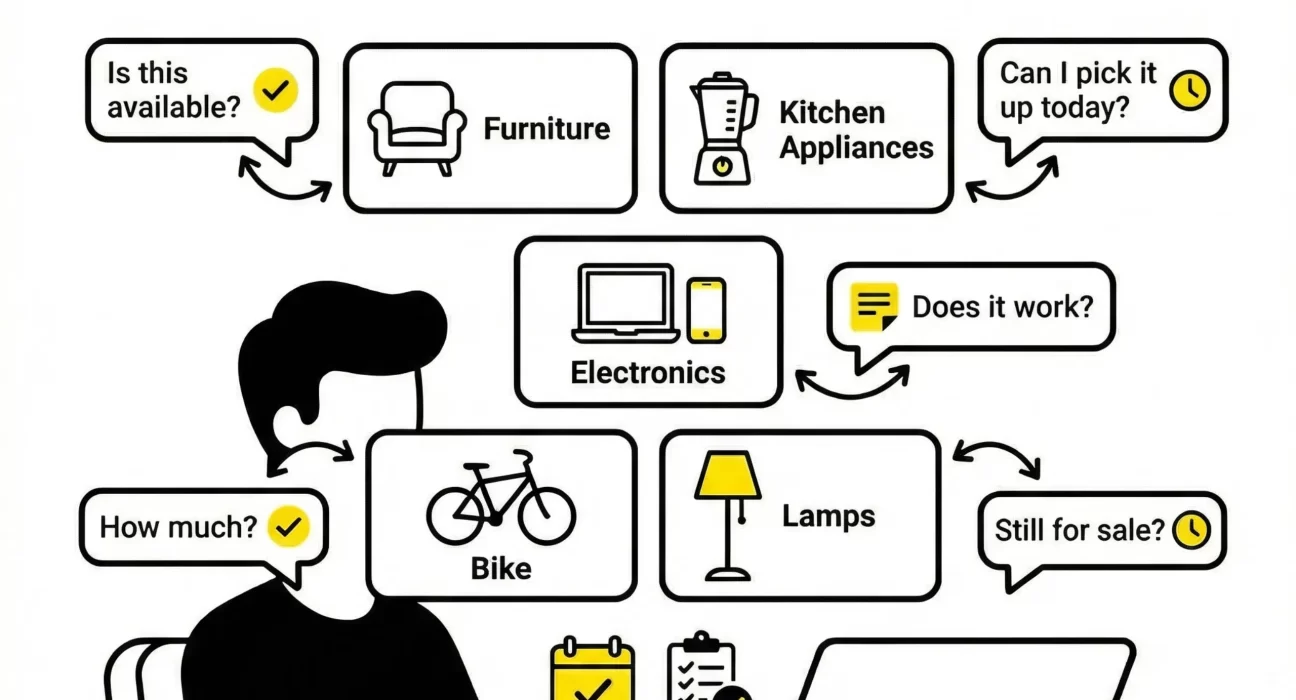
You’re moving to a new city next month. Your apartment has furniture, kitchen appliances, electronics, and miscellaneous items you need to sell.
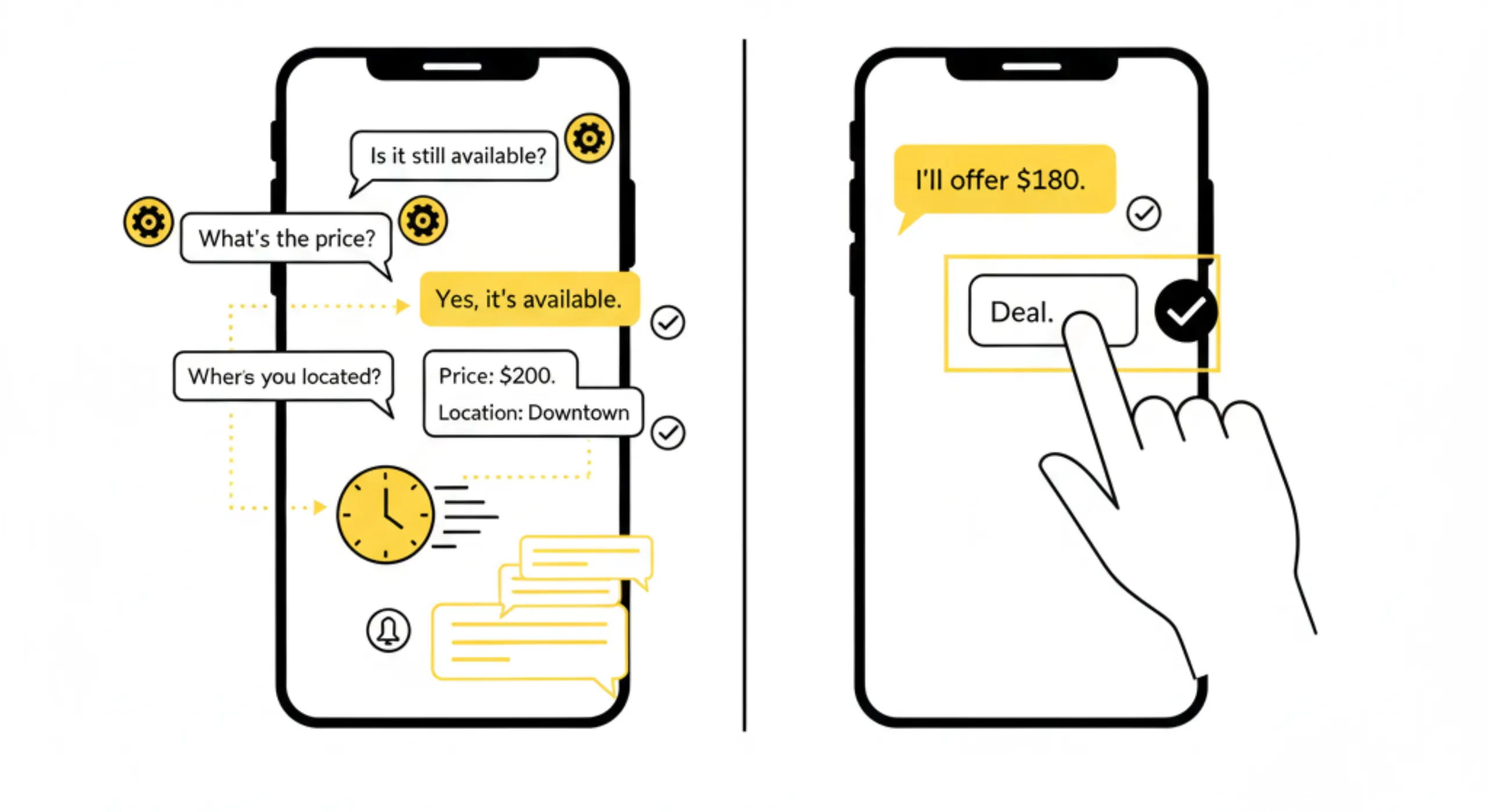
You start listing them one by one. A buyer messages about the microwave. Another asks about the chair. Someone wants the table. Then the first buyer circles back with more questions.
Within two days, you’re juggling conversations about seven different items. You forget who asked about what. You accidentally send the wrong photo to a buyer. Someone agreed to meet yesterday, but you can’t remember which item they wanted.
Many platforms make managing multiple listings unnecessarily complicated. Messages get mixed up. You lose track of which items are sold. And staying organised feels like a full-time job.
Sympl’s simple classifieds approach helps you sell items fast without the chaos. With clear organisation and direct communication, managing several listings becomes straightforward instead of overwhelming.
Why Multiple Listings Get Confusing Fast
Selling one item is simple. Selling five or ten at once? That’s when things get messy.
The problems usually start with poor organisation. Platforms don’t separate conversations by item. Messages arrive in one continuous stream. You’re talking to different buyers about different products, but everything looks the same.
Common issues people face:
- Mixing up which buyer asked about which item
- Forgetting what price you quoted to different people
- Double-booking items to multiple buyers
- Losing track of what’s sold and what’s still available
- Missing messages because notifications pile up
- Responding to old inquiries about already-sold items
These aren’t small inconveniences. They waste time, create confusion, and can make you look unreliable to serious buyers.
The problem gets worse when you’re selling quickly. A student clearing out before leaving college. A family preparing to move. A professional decluttering in one weekend.
Time pressure plus multiple conversations equals mistakes.
The Core Challenge of Tracking Buyer Interest
When you post several listings, buyer interest comes in waves.
Some items get immediate responses. Others sit quietly for days. Then suddenly, three people message about the same thing within an hour.
Typical scenarios:
A working table gets five inquiries in one evening. You respond to all of them. Two people want to see it tomorrow. One offers to buy immediately if you deliver. Another asks if you’ll hold it until the weekend.
Now you need to remember: Who offered what? Who seemed most serious? What did you commit to?
Without a clear system, you end up making promises you can’t keep or missing opportunities with genuine buyers.
For local buyers and sellers, this confusion can kill deals. People move on quickly when communication feels disorganised.
Simple Strategies to Stay Organised
Managing multiple listings doesn’t require complicated tools. It needs basic organisation habits.
Use clear, specific titles for each listing
“Black office chair” is better than just “chair.” When messages arrive, you immediately know which item the buyer is asking about.
Keep a simple checklist
Write down all items you’re selling. Mark them as “listed,” “buyer interested,” “meeting scheduled,” or “sold.” Update this after every conversation.
Respond to messages in order of seriousness
Someone asking “still available?” gets a quick yes. Someone asking detailed questions and suggesting a meeting time gets priority.
Confirm item details before scheduling meetings
Before agreeing to meet, confirm which item you’re discussing. “Just to confirm—you’re interested in the microwave, right?” This prevents mixups.
Update listings immediately after selling
The moment an item sells, mark it or remove it. This stops new inquiries from coming in and creating unnecessary conversations.
These aren’t complicated systems. They’re just practical habits that keep things clear.
How Local Selling Makes Management Easier
When you buy and sell locally, coordination becomes simpler.
Meetings happen faster
You’re not managing nationwide shipping schedules. A buyer messages in the morning. You meet in the evening. Items sold. Conversation closed.
Conversations are shorter
Local buyers ask fewer questions because they can inspect items in person. No need for detailed descriptions of every scratch or detailed measurements.
You can batch meetings
If multiple buyers are interested in different items, you can schedule them back-to-back at the same location. One afternoon handles three or four sales.
Less follow-up needed
Once you meet and transact, you’re done. No tracking courier deliveries, handling returns, or managing payment disputes.
Sympl’s focus on local connections naturally reduces the complexity of managing multiple listings.
Practical Tips for Handling Several Items at Once
When you’re actively selling multiple things, a few habits help tremendously.
Group similar items if possible
Selling three kitchen items? Mention in each listing that you have others available. Interested buyers might take multiple things in one go.
Be honest about your availability
If you can only meet on weekends, say so upfront. This filters out people who need immediate pickups and saves you from managing unrealistic schedules.
Prioritise high-value or urgent items
If you need to clear out a sofa before moving, focus your energy on that. Smaller items can wait if needed.
Keep photos organised
Name your photo files clearly: “table_lamp.jpg” not “IMG_1234.jpg.” When buyers ask for more pictures, you send the right ones immediately.
Set realistic meeting windows
Don’t promise to meet five different buyers in one hour. Space out appointments. Give yourself buffer time.
These small adjustments prevent the overwhelm that comes with juggling too many conversations simultaneously.
Real-Life Example: Clearing Out Before a Move
Consider a common situation. Someone is moving cities in three weeks.
They have:
- A double bed with mattress
- A study table and chair
- Kitchen appliances: mixer, toaster, microwave
- A bike
- Miscellaneous items: lamps, storage boxes, hangers
That’s roughly eight to ten items to sell quickly.
Here’s how simple organisation helps:
List everything in one session. Use clear titles. Include honest descriptions and fair prices.
As messages arrive, respond immediately to serious inquiries. Does anyone want a bed? Schedule them for Saturday morning. Does anyone want kitchen items? Suggest they come Saturday afternoon.
Keep a note on your phone:
- Bed: Ravi meeting Sat 10 AM
- Kitchen items: Priya interested, waiting for confirmation
- Bike: Three inquiries, need to prioritise
- Table: Sold to Amit, picked up already
This simple tracking prevents double-booking and helps you focus on closing remaining deals.
By moving day, everything is sold because you stayed organised and didn’t let conversations fall through cracks.
How Direct Communication Reduces Confusion
One reason platforms get messy is automated systems and middlemen.
Sympl’s direct buyer-seller chat eliminates this. You talk to one person about one item. The conversation stays focused.
Benefits of direct chat for multiple listings:
You know exactly who you’re talking to. No anonymous usernames or buyer IDs to track.
Conversations stay specific. If someone asks “Is this available?” they’re asking about the specific item they clicked on.
You control the flow. You decide who to respond to first, what meetings to schedule, and which offers to accept.
No automated messages muddying the water. Just clear, human conversations that you can manage at your own pace.
This directness is especially valuable when you’re handling several listings simultaneously.
Who This Matters Most For
Anyone selling multiple items within a short timeframe.
Students clearing out dorm rooms or hostel furniture before semester ends. They have days, not weeks. Organisation matters.
Families moving to new homes or downsizing. Twenty years of accumulated items means dozens of listings. Without a system, it becomes chaos.
Working professionals doing major decluttering or upgrading multiple things at once. They don’t have time for confusion. They need efficient sales.
People handling estate sales or helping relatives sell belongings. Managing items that aren’t even yours requires extra clarity.
If you’re dealing with more than three or four listings, these organisational practices become essential.
Time Savings from Staying Organised
Disorganisation wastes time in hidden ways.
You message the same buyer twice with the same information because you forgot you already responded. That’s wasted time.
You schedule a meeting for an item that’s already sold. The buyer shows up. You apologise. Both of you wasted time.
You miss a serious buyer’s message because it got buried. They buy elsewhere. You lost a sale and extended your selling timeline.
Organisation saves time by:
Preventing duplicate conversations and repeated questions
Avoiding cancelled meetings and disappointed buyers
Ensuring you respond to serious inquiries while they’re still interested
Helping you close deals faster because nothing falls through cracks
When you’re trying to sell items fast, these time savings matter significantly.
The Cost Benefits of Quick, Organised Selling
When you manage listings well, items sell faster. Faster sales mean practical cost savings.
You’re not paying rent on storage you could vacate sooner. You’re not holding onto items that depreciate daily. You’re not missing opportunities because you seemed disorganised to buyers.
Good organisation also helps you get better prices. Serious buyers appreciate responsive sellers who know what they’re doing. They’re more likely to pay fair prices rather than lowball offers.
And you avoid the hidden cost of stress. Juggling confusion drains energy. Clear systems keep things manageable and less frustrating.
For local buyers and sellers operating through simple classifieds, this matters. You’re not running a business. You just want to clear items efficiently without headaches.
What Works on Simple Platforms Like Sympl
Complex marketplace systems try to solve organisation problems with features: dashboards, inventory management, automated responses.
But for casual sellers, these tools create more complexity than they solve.
Sympl’s approach is different. It keeps things simple so you can use your own organisation methods.
What makes this work:
Clear listing pages so you know what you posted
Direct messages that stay connected to specific items
No algorithmic interference confusing which buyers see what
Freedom to handle conversations at your own pace
This simplicity means you control your selling process. You organise it the way that makes sense to you, not the way a platform dictates.
Avoiding Common Mistakes When Selling Multiple Items
A few mistakes trip up most people managing several listings.
Overcommitting to too many buyers
You tell five people they can “probably” have something. Then you disappoint four of them. Better to commit to one and tell others you’ll reach out if it falls through.
Forgetting to update sold items
You sell the chair. You forget to mark it as sold. Messages keep coming in. You keep explaining it’s gone. Update immediately.
Not keeping notes on conversations
You have a great chat with a buyer who seems serious but can’t meet until next week. You forget about them. They message back, and you’ve already sold to someone else. Quick notes prevent this.
Trying to negotiate differently with different buyers
You quote ₹3,000 to one person and ₹2,500 to another for the same item. They talk to each other. Now you look dishonest. Set a price and stick to it.
Scheduling meetings too close together
Back-to-back meetings sound efficient until the first buyer runs late. Now everyone’s schedule collapses. Build in buffer time.
Avoiding these mistakes keeps your multiple listings manageable instead of overwhelming.
The Mental Clarity of Simple Systems
There’s a psychological benefit to staying organised.
When you know exactly where you stand with each item, what’s sold, what’s pending, who’s serious you feel in control.
When conversations are scattered and you’re not sure what’s happening, stress builds. You avoid checking messages because it feels overwhelming.
Simple organisation fixes this. A quick checklist. Clear communication. Immediate updates.
Suddenly, managing five or ten listings doesn’t feel impossible. It feels doable.
This mental clarity helps you sell items fast because you’re not paralysed by confusion. You’re making decisions, scheduling meetings, and closing deals.
What This Means for Your Selling Experience
If you’ve avoided selling multiple items because it seems too complicated, it doesn’t have to be.
You don’t need sophisticated software. You don’t need business training. You just need basic organisation and a platform that keeps things straightforward.
Sympl provides that foundation. Simple classifieds. Direct communication. Local focus.
You add your own simple system: clear titles, quick notes, honest communication, prompt updates.
Together, these elements make managing multiple listings practical instead of overwhelming.
You’re not trying to run an online store. You’re just clearing out items you no longer need and finding local buyers who want them.
With a bit of organisation and the right platform, this becomes a manageable task instead of a confusing ordeal.