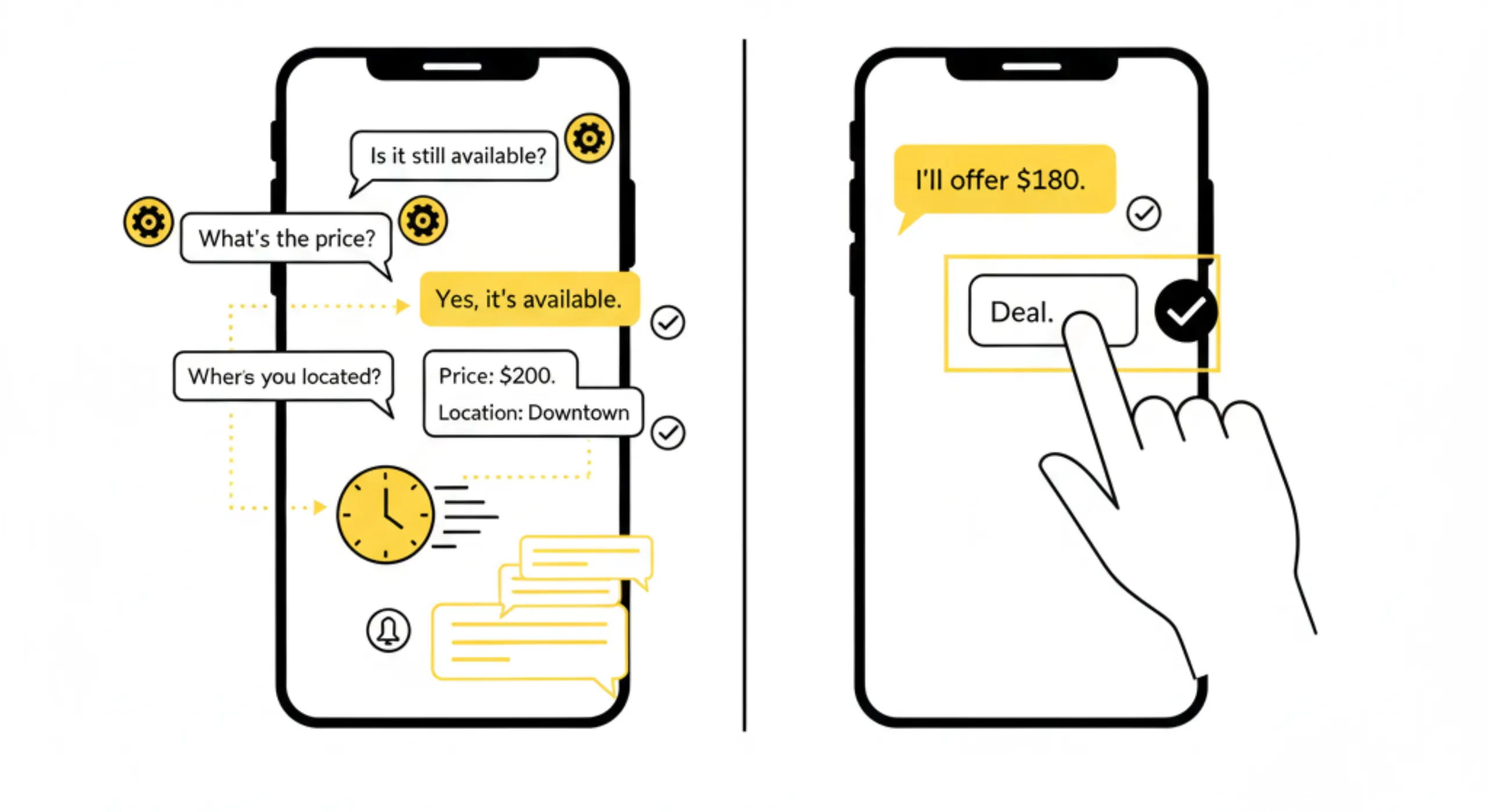
Most people who decide to sell an old phone or laptop make the same mistake. They remember what they paid for it, subtract a small amount for “use,” and arrive at a price that no serious buyer will agree to.
The device sits unsold for weeks. Eventually the seller drops the price in frustration, often below what they could have got if they had simply priced it correctly from the start.
Electronics lose value faster than almost any other category of goods. This isn’t a flaw in the resale market. It’s just how electronics work. Understanding this before you list is the difference between selling quickly and waiting indefinitely.
Local platforms like Sympl among the Best Classified Sites in Hyderabad help sellers reach genuine local buyers fast. But even the best platform can’t fix a listing that’s priced out of the market. That part starts with understanding depreciation honestly.
Why Electronics Lose Value So Quickly
Electronics depreciate fast for reasons that are structural, not accidental.
Manufacturers release new models every year, sometimes more frequently. Each new release makes the previous version feel older, even if it still works perfectly. Buyers know this, and they factor it into what they’re willing to pay.
Software support timelines also play a role. An Android phone that won’t receive security updates, or a laptop running an operating system that’s no longer supported, is worth less not because of physical condition, but because of limited useful life going forward.
And then there’s perception. A two-year-old phone may work flawlessly, but in a buyer’s mind, two years in electronics feels like a long time. That perception, fair or not, affects resale value.
How Depreciation Actually Works by Category
Different electronics depreciate at different rates. Sellers who understand this category-by-category can price more accurately from the start.
Smartphones:
- Lose a significant portion of value within the first year
- A phone that’s over two years old typically sells for less than half its original price, regardless of condition
- Flagship models from reputed brands hold value slightly better, but still drop fast
- Accessories in original box and original bill help recover some value
Laptops:
- Depreciate more slowly than phones, especially if specs are still relevant
- A laptop used for basic tasks browsing, documents, video calls remains useful longer and holds value better than one that can’t run current software
- Age matters less than whether it still meets buyer needs
Televisions:
- Depreciate moderately a working television from a good brand still commands a fair price after two or three years
- Screen size and technology (LED vs QLED vs OLED) affect how much value is retained
- Smart TV features that are outdated or no longer receive updates lower the value
Tablets and iPads:
- Mid-range Android tablets lose value quickly once newer, cheaper options arrive
- Apple iPads depreciate slower due to longer software support cycles
Earphones, speakers, and accessories:
- Lose value quickly if they are not from a premium brand
- Physical condition matters more than age for these visible wear drops the price sharply
Practical Guidance: How to Price a Used Electronic Realistically
Pricing a used electronic realistically is not about guessing. It follows a practical logic.
Step 1: Start with the current new price, not what you paid
Prices of electronics change over time. A phone you bought for ₹20,000 two years ago may now retail for ₹16,000 new with a warranty. Your used version has to compete with that, not with your original purchase price.
Step 2: Deduct for age
A general rule that works across most electronics:
- Under 6 months old: 70–80% of current new price
- 6 months to 1 year: 55–70%
- 1 to 2 years: 40–55%
- Over 2 years: 25–40%, depending on condition and relevance
These are not exact figures; they vary by brand, category, and demand. But they give a starting point that is grounded in market reality.
Step 3: Adjust for condition
- Flawless condition with original box and bill: closer to the higher end of the range
- Minor scratches, no accessories: deduct further
- Screen damage, battery issues, missing charger: deduct significantly
- Any repairs done: disclose honestly buyers appreciate it and trust increases
Step 4: Check what similar items are going for locally
Browse Sympl or other local listings for the same model in your city. This tells you what buyers in your area are actually paying right now, not what someone in another city listed, and not an outdated national average.
Step 5: Price to sell, not to recover
The goal of selling a used electronic is not to recover your original cost. It’s to find a fair price that a local buyer will actually pay. Items priced at the edge of the realistic range sit unsold. Items priced honestly close quickly.
What Slows Down Electronics Sales And How to Avoid It
Many electronics listings fail not because of price alone but because of avoidable presentation mistakes.
- No photos or blurry photos: buyers immediately lose interest; clear, well-lit photos of all sides including any scratches are essential
- Vague descriptions: “good condition, working fine” tells a buyer nothing; mention model name, storage, RAM, battery health if possible
- Hiding known issues: sellers who disclose issues honestly actually build trust; buyers who discover issues at the time of inspection walk away and don’t come back
- Overpricing then reducing slowly: this signals desperation and invites lowball offers; a fair first price attracts serious buyers faster
Listings that are clear, honest, and reasonably priced consistently sell faster than ones that are vague or optimistically priced.
How Selling Locally Through Sympl Makes This Easier
When you list a used electronic item on Sympl, you’re reaching local buyers and sellers in your own area. This changes how the transaction works practically and financially.
A buyer nearby can come and inspect the device in person. They can turn it on, check the screen, test the camera, and verify battery performance. That kind of inspection builds confidence and removes the main reason buyers hesitate on large platforms uncertainty about actual condition.
There’s no shipping cost involved, which matters more than people realise. A phone priced at ₹8,000 on a national platform may net the seller ₹6,500 after commission and logistics. The same phone sold locally through Sympl at ₹7,500 puts more money in the seller’s pocket while being a better deal for the buyer too.
The transaction is also faster. No waiting for delivery windows or return disputes. You meet, the buyer checks, and the deal closes on the same day in most cases.
Cost and Time Benefits of Selling Electronics Locally
Selling electronics locally through a platform like Sympl saves both time and money in ways that compound quickly.
- No platform commission: the amount agreed is the amount received
- No shipping or packaging costs: for fragile electronics, this removes a significant risk and expense
- Faster sale: local buyers respond quicker and close faster than distant ones
- Real negotiation: in-person conversation often leads to a fairer outcome than back-and-forth messages on large platforms
- No return disputes: the buyer has already seen and tested the item before paying
For sellers who want to sell items fast without the friction of national platforms, local classifieds consistently deliver better outcomes for electronics.
Who This Matters Most For
Working professionals: who upgrade phones or laptops every two to three years often have perfectly functional older devices sitting unused. Knowing how to price and list them correctly means recovering fair value without the hassle of complicated platforms.
Students: buying electronics on a budget benefit from this market directly. A seller who prices honestly makes low-cost buying possible for a buyer who genuinely needs it.
Families: replacing a television or home appliance can partially offset the new purchase cost by selling the old one locally, quickly, at a realistic price.
First-time sellers: who haven’t listed electronics before often overprice out of habit and then lose confidence when there are no responses. Understanding depreciation from the start saves that frustration entirely.
Conclusion
Electronics lose value fast. That’s not a reason to avoid selling, it’s a reason to sell sooner rather than later, and to price honestly from the first listing. A used device priced correctly on a local platform will find a buyer within days. The same device overpriced will sit for weeks, then eventually sell for less than a fair first price would have got. If you’re in Hyderabad, Sympl is among the for selling used electronics directly to local buyers without platform cuts, shipping delays, or return complications. Understanding how your device has depreciated, pricing it accordingly, and presenting it honestly is all it takes. The rest finding a genuine local buyer quickly follows from that.