You’re moving into a new apartment. You need a bed, a study table, a chair, some kitchen shelves, and a few other basics.
You calculate the cost of buying everything new. The total makes you wince. Even with budget furniture, you’re looking at spending a significant chunk of your savings on items you’ll use for maybe two or three years before moving again.
Then a colleague mentions they bought most of their furniture second-hand when they relocated. Good quality, barely used, fraction of the retail price. They saved enough to spend on things that actually mattered to them.
You start wondering: why default to buying new when used options exist?
The assumption that new is always better runs deep. But for many everyday items, buying used makes more practical and financial sense. You get what you need, save money, and avoid the waste of paying full price for things that lose value the moment you buy them.
When you buy and sell locally through simple classifieds like Sympl, finding quality used items becomes straightforward. No complicated research, no risky online purchases, just direct connections with local buyers and sellers offering practical alternatives to retail shopping.
Why We Default to Buying New
The main reason is habit and perception.
New items come with the appeal of being “fresh,” untouched, and yours from the start. There’s psychological comfort in unboxing something no one else has used.
Marketing reinforces this. Advertisements constantly tell us that new is better, that we deserve the latest version, that buying new is a sign of success or progress.
There’s also a trust issue. Many people worry that used items come with hidden problems, that sellers are trying to offload junk, or that the savings aren’t worth the risk of buying something that might break soon.
In India, where EMI options and festive sales make new items seem affordable, the immediate cost of buying new feels manageable even if it strains budgets in the long run.
But this default to new often means spending money unnecessarily. For many items, used options offer the same functionality at a fraction of the cost, with minimal risk if you know what to look for.
Items That Make Perfect Sense to Buy Used
Some categories are ideal for second-hand purchases because they lose value quickly or because their core function doesn’t change with age.
Furniture
A solid wood table works just as well after three years of use as it did when new. Sofas, beds, chairs, bookshelves if they’re structurally sound and clean, there’s little reason to pay retail prices.
Textbooks and study materials
The information in a textbook doesn’t change whether it’s the first owner or the fifth. Students save thousands each semester by buying used books.
Exercise equipment
Treadmills, weights, yoga mats, resistance bands. People buy these with good intentions, use them for a few months, then sell them in near-perfect condition.
Kids’ items
Children outgrow toys, clothes, cribs, and strollers quickly. Buying these used makes sense since they’ll only be needed for a short period anyway.
Kitchen appliances
Mixers, toasters, rice cookers, and similar items last for years. A well-maintained used appliance performs just like a new one.
Bikes and scooters
Vehicles depreciate the moment they’re registered. Buying a bike that’s one or two years old saves significant money while still giving you reliable transport.
Phones and laptops (with caution)
If you don’t need the absolute latest model, buying a used device that’s a year or two old offers excellent value. Technology advances fast, but last year’s phone still does everything most people need.
Musical instruments
Guitars, keyboards, and other instruments hold their quality well. Beginners especially benefit from buying used while they’re still learning.
The common thread? These items maintain their core utility over time. Age doesn’t diminish their ability to serve their purpose.
When Buying New Makes More Sense
Used isn’t always the answer. Some items are worth buying new.
Items with limited lifespan left
If a used appliance is already five years old and typical lifespan is seven years, you’re only getting two more years out of it. The savings might not justify the limited use.
Products where hygiene matters deeply
Mattresses, pillows, and personal care items are often better purchased new for health and comfort reasons.
Items you’ll use daily for years
If you’re buying a laptop for long-term work and need warranty coverage and the latest specs, new makes sense.
When the price difference is minimal
If a used item costs only slightly less than a new one with warranty, the new purchase offers better value and peace of mind.
Products with fast-evolving technology
Sometimes older models lack features that have become standard. In those cases, paying more for current technology is justified.
The decision isn’t about always choosing used or always choosing new. It’s about evaluating each purchase individually based on your needs, budget, and how long you’ll use the item.
Real-Life Scenarios Where Used Items Save Money
Student furnishing a hostel room
Buying a used study table, chair, and small bookshelf costs a fraction of retail. When the academic year ends and they move, they can sell these items to the next batch of students.
Family setting up a child’s room
Kids grow fast. A toddler bed, toy storage, and a small desk bought second-hand serve their purpose for a few years, then can be passed on or sold.
Professional relocating for work
Moving to a new city for a job often means furnishing a rental apartment. Buying used furniture makes sense since it’s likely a temporary arrangement.
Fitness enthusiast starting a home gym
Dumbbells, a bench, and a mat bought used cost much less than new. If the routine sticks, they can upgrade later. If not, they haven’t lost much money.
Someone learning a new skill
Whether it’s photography, music, or art, buying used equipment while learning prevents overspending on a hobby that might not stick.
In each case, buying used solves the immediate need without the financial burden of paying retail prices.
How Local Buying Makes Finding Quality Used Items Easier
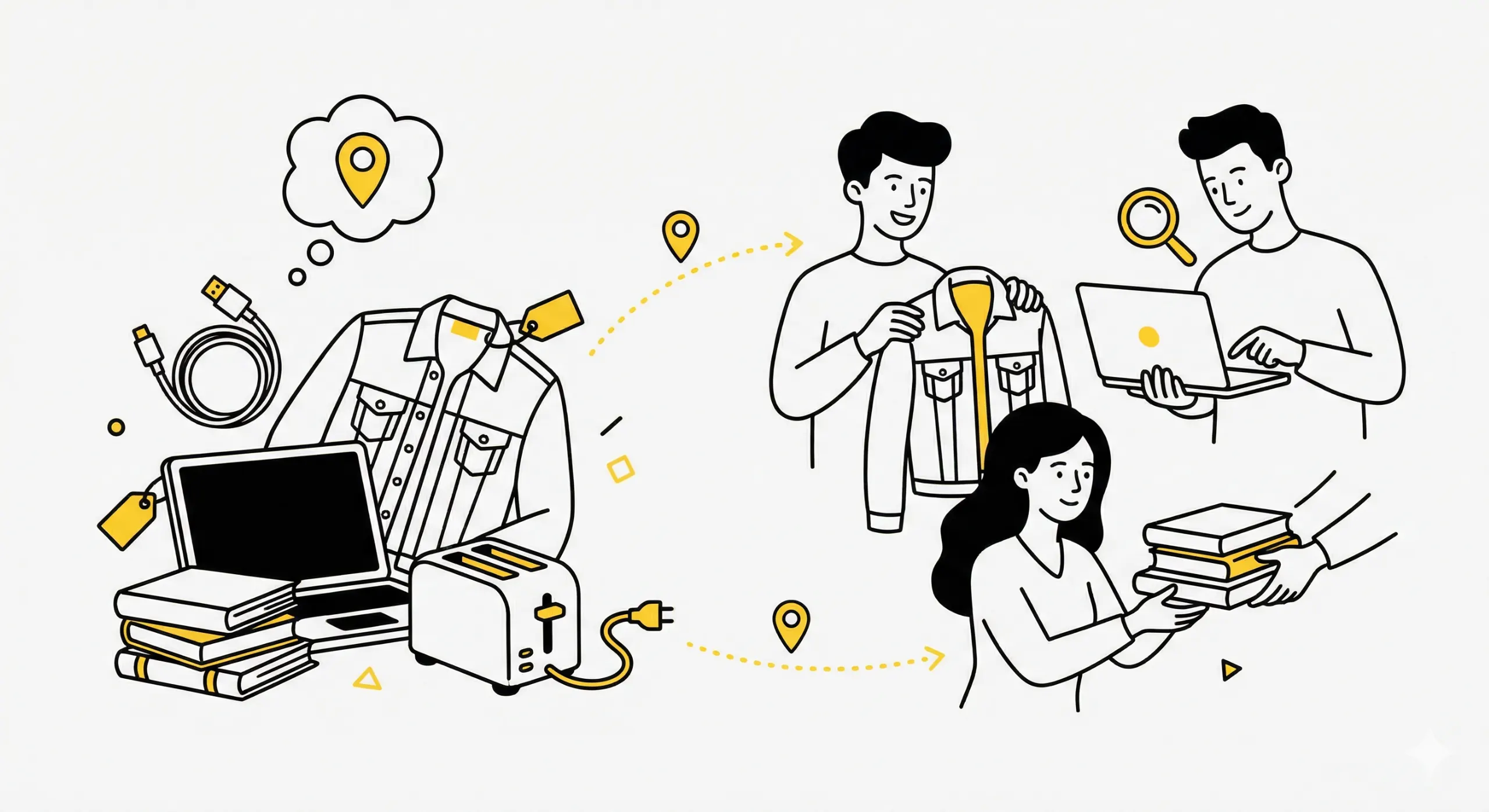
When you buy and sell locally through classifieds, the process of finding good used items becomes practical and trustworthy.
Inspect before you buy
Meeting locally means you can check the item’s condition in person. No surprises when it arrives at your door.
Ask questions directly
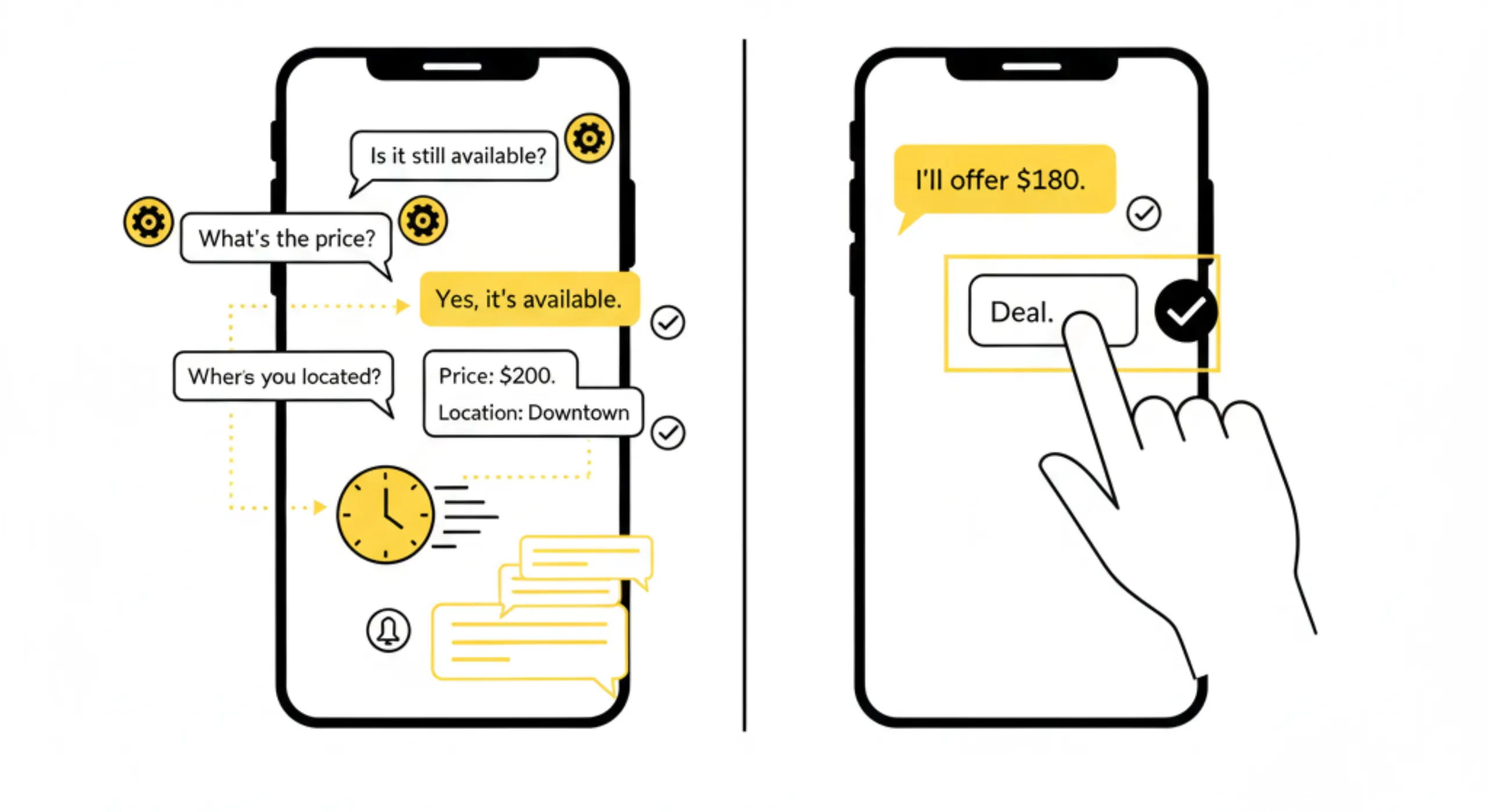
Talk to the seller. Understand why they’re selling, how they used the item, and whether there are any issues. Direct communication builds confidence.
Negotiate based on what you see
If there’s minor wear or missing accessories, you can negotiate the price down on the spot based on actual condition.
Avoid shipping costs and delays
Pick up the item yourself or arrange local delivery. No waiting, no packaging concerns, no delivery fees.
Build trust through local connections
Buying from someone in your neighborhood or city creates a sense of accountability. People are more honest in local transactions.
Platforms like Sympl keep this straightforward by connecting local buyers and sellers without complicated verification systems or national shipping logistics. The focus stays on direct, nearby transactions.
Cost Benefits That Actually Matter
The savings from buying used compounds over time.
Furnishing an apartment with used items can save tens of thousands of rupees compared to buying new. For students and young professionals, this difference is substantial.
Buying used electronics, bikes, or appliances means paying half or less of retail price while getting similar functionality and years of remaining use.
These aren’t small amounts. For families managing tight budgets, the money saved by choosing used items for non-essential purchases can go toward education, health, or savings.
Low-cost buying becomes possible when you shift perspective from “used means inferior” to “used means smart value.”
Quality Checks to Ensure Good Purchases
Buying used requires some diligence, but it’s not complicated.
Check functionality thoroughly
If it’s an appliance, test it. If it’s furniture, check stability. If it’s electronics, verify all features work.
Look for signs of good maintenance
Well-maintained items last longer. Ask about service history for bikes or appliances. Check if electronics were kept in cases or protective covers.
Verify authenticity for branded items
If you’re buying branded products, ensure they’re genuine. Ask for original bills or packaging if available.
Assess remaining lifespan
A bike with very high mileage or an appliance that’s already old might not be worth buying even at a low price.
Compare with market rates
Know what similar items sell for. This prevents overpaying for used goods.
When you buy and sell locally, these checks are easier because you can do them in person before committing to the purchase.
Environmental and Practical Benefits
Beyond money, buying used makes practical sense in other ways.
Reduce waste
Items that still have years of use left don’t need to end up in landfills. Buying them gives them a second life.
Avoid unnecessary consumption
Not everything needs to be purchased new. Reusing perfectly functional items reduces overall consumption.
Support a circular economy
When people buy and sell locally, items circulate within communities. This keeps value in the local economy and reduces demand for new manufacturing.
Get immediate availability
Need something today? Local used items are available right now. No waiting for stock or shipping.
These aren’t abstract benefits. They translate to real convenience and responsible consumption.
Who Benefits Most From Buying Used
Students
Limited budgets and temporary needs make buying used ideal. Textbooks, furniture, bikes, electronics all serve their purpose without breaking the bank.
Families with young children
Kids outgrow everything quickly. Buying used toys, clothes, furniture, and gear saves money that can be spent on education or experiences.
People relocating frequently
If you move cities every few years for work, buying used furniture and appliances makes more sense than investing in expensive new items you’ll eventually sell anyway.
First-time buyers on a budget
Setting up a first apartment or buying a first bike becomes affordable when you choose quality used items.
Anyone practicing mindful spending
People who prioritize value over newness benefit from the practical advantages of buying second-hand.
Overcoming Hesitation About Buying Used
If you’ve never bought used items before, some concerns are natural.
“What if it breaks soon?”
This is why inspection and asking the right questions matter. Most items, if working well when you buy them, continue working for years.
“Will it look too worn?”
Not if you’re selective. Many used items are in excellent condition because people sell them after minimal use.
“Is it hygienic?”
For most furniture and appliances, basic cleaning makes them perfectly fine. Avoid items where hygiene is a personal concern, like mattresses.
“Am I getting a good deal?”
Research local market rates. Know what similar items cost new and used. This gives you confidence in your purchase.
“What if the seller isn’t honest?”
Meet in person, inspect thoroughly, and trust your instincts. Most sellers are honest, and local transactions have natural accountability.
Experience builds confidence. Your first used purchase might feel uncertain, but after a few successful transactions, it becomes routine.
Sympl Classifieds vs. Big Marketplaces
Crowded online marketplaces make buying used more complicated than it needs to be.
Listings from across the country clutter search results. Prices vary wildly. Shipping adds costs and delays. Sellers range from individuals to dealers, making it hard to know who you’re dealing with.
When you buy and sell locally through simple classifieds, focus stays on your immediate area. You see items available nearby, contact sellers directly, and complete transactions without unnecessary complexity.
This localized approach works because buying used is fundamentally a trust-based transaction. Meeting face-to-face in your own community builds that trust naturally.
Platforms like Sympl support this by keeping the experience straightforward local listings, direct communication, and easy transactions.
Making Used Buying a Habit
Once you start, buying used becomes a natural first option to consider.
Before clicking “buy now” on a retail website, you check local classifieds first. Often, you find exactly what you need at a better price.
Over time, this habit saves substantial money while still giving you access to quality items.
You also start selling items you no longer need, knowing there’s a market for them. This creates a cycle where you buy used items, use items for their purpose, then sell them when done. Very little money is lost in the process.
This approach to consumption is practical, financially smart, and increasingly common among people who prioritize value over status.
Buying used isn’t about settling for less. It’s about recognizing that for many items, age doesn’t diminish utility.
A table doesn’t work better because it’s new. A textbook doesn’t teach better because you’re the first owner. A bike doesn’t ride better because it came from a showroom.
When you buy and sell locally, finding quality used items becomes a practical alternative to retail shopping. You save money, get what you need quickly, and avoid paying premium prices for things that will lose value anyway.
The next time you need something, pause before defaulting to new. Check what’s available locally. You might find exactly what you need, in good condition, at a price that makes far more sense.
Smart buying isn’t about always choosing the cheapest option. It’s about getting the best value for your specific needs. Often, that value comes from well-maintained used items offered by local sellers who simply don’t need them anymore.