You find a great deal on a second-hand phone. The price is right, the photos look good, and the description seems honest.
But there’s a problem. The seller is anonymous. You can’t verify their identity. There’s no way to know if they’ll actually show up or if the phone works as described.
So you hesitate. You message other sellers. You keep searching. The deal slips away because trust was missing.
This happens constantly on large marketplaces. Ratings and reviews try to fill the trust gap, but they’re easy to manipulate. Verified badges don’t tell you if someone will waste your time. Payment protection doesn’t help if the item never arrives or arrives broken.
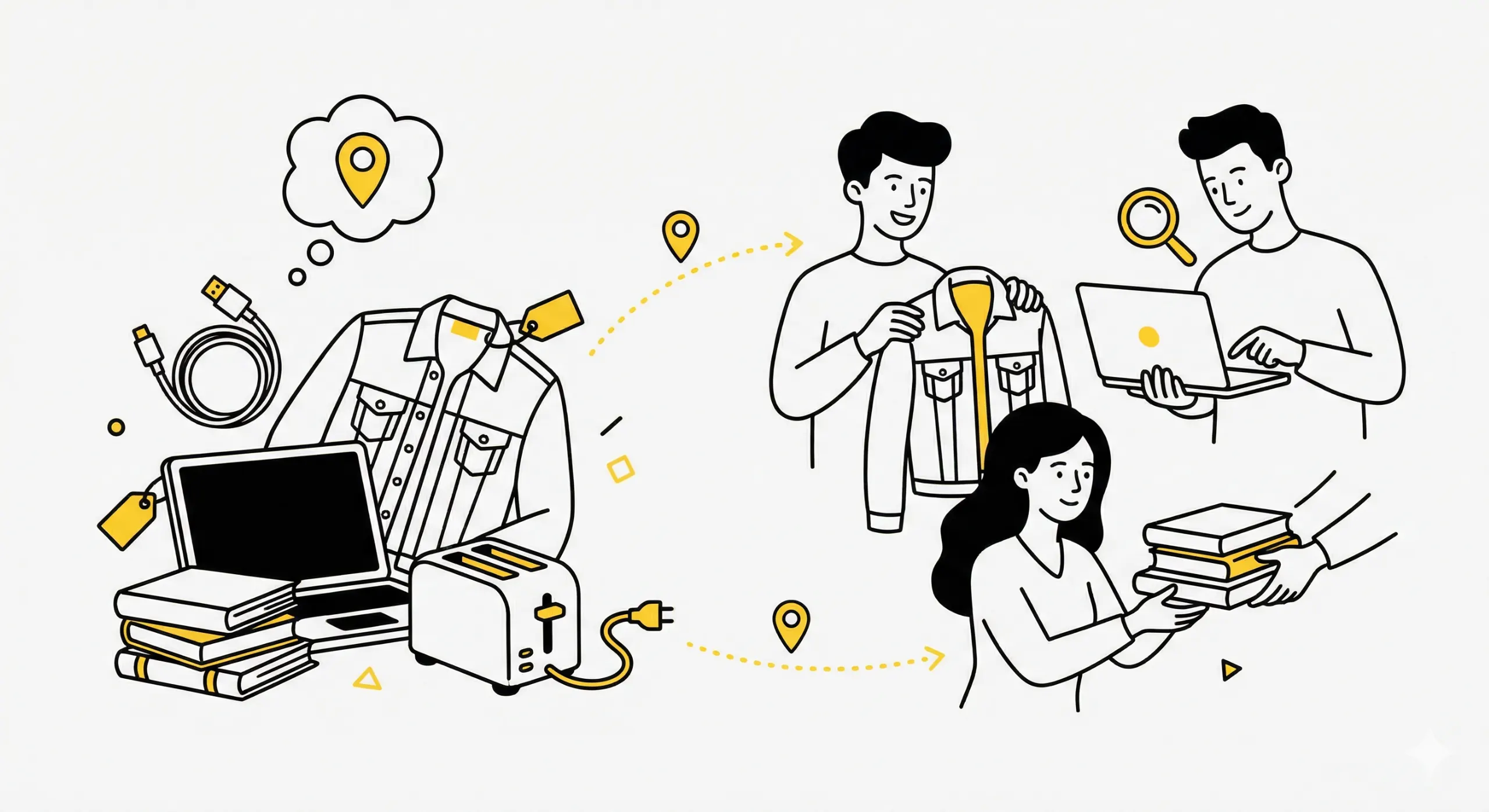
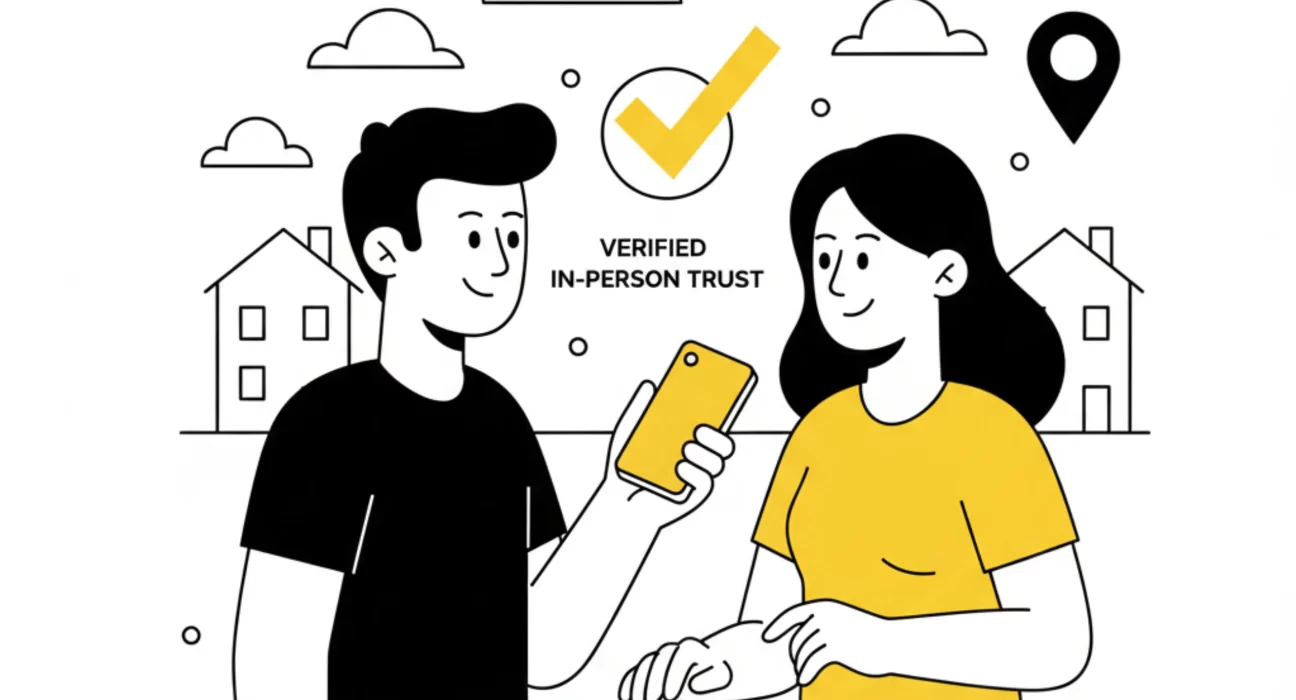
Platforms like Sympl are taking a different approach. They build trust through proximity, transparency, and face-to-face interaction. When you buy and sell locally, trust comes from meeting in person, not from algorithmic verification systems.
Why Traditional Trust Mechanisms Fall Short
Online marketplaces borrowed trust-building methods from ecommerce: seller ratings, buyer reviews, verified accounts, escrow payments.
These work reasonably well for new products shipped from established sellers. But they struggle with second-hand items sold by regular people.
Ratings can be gamed
Fake reviews exist everywhere. Sellers create multiple accounts to boost their ratings. Buyers leave positive reviews under pressure. The numbers don’t always reflect reality.
Verification feels superficial
A verified phone number or email doesn’t mean someone is trustworthy. It just means they completed a registration process.
Reviews don’t capture nuance
A seller might have good ratings overall but be unreliable for specific types of items or transactions. Past behaviour doesn’t always predict future conduct.
Payment protection adds friction
Escrow systems, wallet holds, and refund processes complicate transactions. They protect against the worst outcomes but make simple exchanges unnecessarily complex.
Distance removes accountability
When buyer and seller are in different cities, there’s little recourse if something goes wrong. Filing complaints or pursuing returns becomes impractical.
For everyday users trying to sell a bike or buy furniture, these mechanisms create more hassle than confidence.
What people actually need is simpler: the ability to meet, verify, and transact in person.
How Local Platforms Build Trust Differently
Trust-led platforms don’t try to manufacture confidence through features. They create conditions where trust develops naturally.
Face-to-face meetings
You see the item before paying. You meet the seller and judge their credibility yourself. This direct verification beats any rating system.
Proximity creates accountability
When both parties are from the same neighbourhood, there’s social pressure to act honestly. Word spreads in local communities.
Real-time verification
Test a phone on the spot. Ride a bike before buying. Inspect furniture for damage. Immediate verification removes uncertainty.
Direct communication
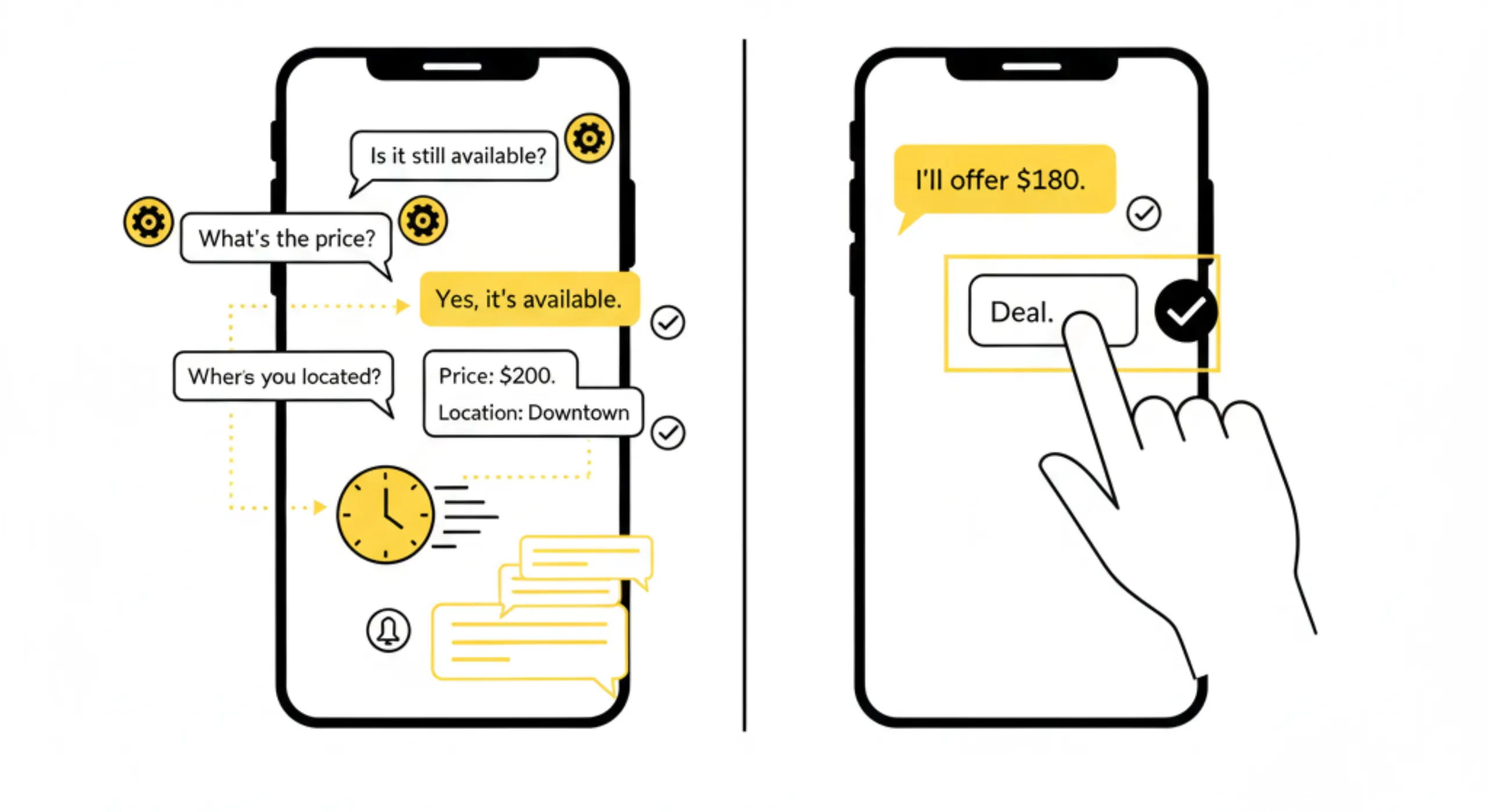
Talk to the seller via phone or WhatsApp. Hear their voice, ask questions, and gauge their seriousness. This human interaction builds confidence.
Familiar locations
Meet in your own area a residential complex, local café, or metro station. Familiarity reduces anxiety and makes both parties comfortable.
Platforms like Sympl facilitate these trust-building moments by keeping everything local. They don’t promise to eliminate risk through technology. They make it possible for people to verify trust the old-fashioned way: in person.
Real-Life Examples of Trust in Action
Buying a laptop in Chennai
Deepa found a laptop listing in her neighbourhood. She called the seller, asked detailed questions, and scheduled a meeting at a nearby Starbucks. The seller brought the laptop, let her test it thoroughly, showed purchase receipts, and answered every question patiently. Deepa paid in cash and left confident she’d made a good purchase.
Selling furniture in Mumbai
The Mehta family was selling a dining set. A young couple contacted them through Sympl, visited their home, examined the furniture, discussed minor scratches honestly, and negotiated a fair price. Both parties felt comfortable because they could see each other’s intentions clearly.
Student buying textbooks in Bangalore
Arjun needed engineering books for the new semester. He found a senior from his college selling them. They met on campus, Arjun checked the condition of each book, and completed the purchase in five minutes. Knowing the seller was from the same college added an extra layer of trust.
In each case, trust wasn’t built through platform features. It developed through personal interaction, verification, and local accountability.
What Makes Local Buying and Selling More Trustworthy
When you sell items fast through local platforms, trust isn’t a barrier, it’s built into the process.
Inspection before payment
Buyers don’t commit until they’ve verified the item. This eliminates the biggest source of anxiety in online transactions.
No anonymous transactions
You know the seller’s name, have their phone number, and meet them in person. There’s no hiding behind screen names or fake profiles.
Immediate issue resolution
If something’s wrong, you discuss it on the spot. No filing complaints, waiting for platform responses, or navigating return processes.
Community reputation matters
In residential areas, people care about their standing in the community. Scamming a neighbour has social consequences beyond the transaction.
Shared language and culture
Local buyers and sellers often share similar backgrounds, making communication clearer and building rapport more easily.
These factors combine to create an environment where trust forms naturally, without needing elaborate verification systems.
Cost and Time Benefits of Trust-Based Transactions
Trust doesn’t just make transactions safer it makes them faster and cheaper.
No escrow delays
Hand over cash or make instant UPI payments. No waiting for payment holds to clear or platforms to release funds.
Fewer disputes
When both parties verify everything in person, there’s little room for misunderstanding. This reduces conflicts and the time spent resolving them.
No refund complications
If there’s an issue, you address it immediately before the transaction completes. No shipping items back or navigating return policies.
Lower prices from confidence
Sellers can price items fairly without building in a buffer for potential fraud. Buyers get better deals.
No protection fees
Some platforms charge for payment protection or buyer guarantees. Direct local transactions eliminate these costs.
For low-cost buying, these savings matter. A ₹4,000 item stays ₹4,000 instead of becoming ₹4,500 after platform fees and shipping costs.
Who Benefits Most From Trust-Led Platforms
First-time online buyers
Uncomfortable with anonymous online transactions. Meeting sellers in person removes fear and builds confidence.
Senior citizens
Prefer traditional face-to-face dealings where they can assess people directly. Local platforms feel more familiar and trustworthy.
Students
Buying from seniors or selling to juniors within college communities creates natural trust through shared connections.
Parents
Selling children’s items to other parents in the neighbourhood. Shared experiences and local proximity build immediate rapport.
Working professionals
Need reliable transactions that don’t require extensive back-and-forth or uncertainty about whether deals will close.
Small-scale sellers
People selling one or two items occasionally don’t have time to build online reputations. Face-to-face transactions let their honesty speak for itself.
Anyone who values genuine human interaction over algorithmic trust systems benefits from this approach.
How Simple Classifieds Enable Trust
Complex platforms try to engineer trust through features. Simple classifieds create conditions where trust happens naturally.
Minimal barriers to contact
Direct phone numbers or WhatsApp links. No waiting for platform messages or notifications. Immediate human conversation builds rapport.
Transparent listings
Basic, honest descriptions without marketing language. Sellers who misrepresent items get caught when buyers show up, so honesty is incentivized.
No pressure tactics
Local buyers and sellers aren’t trying to close deals at any cost. They’re neighbors transacting, not sales professionals competing for ratings.
Community feedback loops
In tight-knit areas, bad experiences get shared informally. This organic reputation system works better than anonymous online reviews.
Focus on local accountability
Both parties know they might encounter each other again in the same society, at the same grocery store, or through mutual acquaintances. This encourages fair dealing.
Platforms like Sympl succeed by facilitating these trust mechanisms rather than trying to replace them with artificial systems.
The Role of Transparency in Building Confidence
Trust grows when information flows freely.
Clear pricing
No hidden costs, no surprise fees. The listed price is what you pay (minus any negotiation you do directly).
Honest condition descriptions
Sellers have an incentive to be accurate because buyers will verify in person. Exaggeration gets exposed immediately.
Open communication
Both parties can ask unlimited questions before meeting. No platform restrictions on message length or frequency.
Visible location
Knowing approximately where someone is located adds credibility. It shows they’re genuinely local, not pretending to build false trust.
Straightforward processes
When platforms don’t complicate transactions with unnecessary steps, both parties feel more in control and less suspicious.
This transparency reduces the guesswork and anxiety that plague anonymous online marketplaces.
Comparing Trust Models: Platform-Enforced vs. Community-Built
Platform-enforced trust (large marketplaces)
Seller ratings → Verification badges → Payment escrow → Return policies → Dispute resolution systems → Still uncertain about actual trustworthiness.
Community-built trust (local classifieds like Sympl)
Direct contact → In-person meeting → Immediate verification → Local accountability → Transaction completes with confidence.
The second model isn’t just simpler. It’s more authentic.
People have been buying and selling locally for centuries. They know how to judge trustworthiness in person. Platforms that support this natural process work better than those trying to automate trust.
Why Indian Buyers Prefer Face-to-Face Verification
Cultural and practical factors make local trust-building particularly important in India.
Cash economy traditions
Many people still prefer cash for smaller transactions. In-person meetings make this natural and safe.
Value of personal connections
Indians generally place high importance on personal relationships and direct interaction. Meeting someone builds trust faster than digital verification.
Skepticism of online systems
Many users remain cautious about online fraud and prefer the security of physical verification before committing.
Bargaining culture
Negotiation is expected in second-hand transactions. This works better face-to-face where both parties can read each other’s intentions.
Community networks
Residential societies, neighbourhood groups, and local communities form tight networks where reputation matters significantly.
Local buying and selling platforms align with these cultural preferences instead of fighting against them.
When Trust-Led Platforms Work Best
Not every transaction needs face-to-face verification. But for second-hand items sold locally, it’s almost always the best approach.
High-value items
Laptops, bikes, appliances items where verification is essential before committing to purchase.
Items requiring testing
Electronics that need to be powered on, vehicles that need to be driven, appliances that need to be demonstrated.
Furniture and large items
Things buyers want to see in person to judge condition, size, and fit for their space.
Children’s items
Parents buying or selling baby gear, toys, or clothes prefer meeting other parents and verifying safety and quality in person.
First-time transactions
When buyers and sellers have no history with each other, face-to-face meetings establish trust quickly.
For these types of transactions, platforms like Sympl that enable local, trust-based exchanges deliver better outcomes than anonymous online marketplaces.
The Efficiency of Trust-Based Transactions
Trust doesn’t just make transactions safer it makes them faster.
Decisions happen quickly
When buyers can verify items in person, they commit immediately. No days of back-and-forth messaging and uncertainty.
Fewer tire-kickers
Local buyers who make the effort to meet in person are serious. They’re not casually browsing, they’re ready to buy.
Less negotiation friction
Face-to-face bargaining reaches resolution faster than endless text message negotiations.
No post-purchase anxiety
Both parties leave the transaction confident. Buyers verified the item. Sellers received payment. No wondering if something will go wrong later.
This efficiency benefits everyone. Sellers move items quickly. Buyers find what they need without wasting time on questionable listings.
Final Thoughts
Trust isn’t something platforms can create through verification systems and ratings. It develops through personal interaction, transparency, and accountability.
Local buying and selling platforms succeed because they enable these trust-building moments instead of trying to engineer them artificially.
When you buy and sell locally through platforms like Sympl, you’re not depending on anonymous reviews or algorithmic verification. You’re meeting people, verifying items, and making informed decisions based on real information.
This approach feels more human because it is more human. It respects how trust actually forms between people through direct interaction and shared accountability.
For anyone tired of uncertainty in online transactions, trust-led platforms offer a practical alternative. The person you’re buying from isn’t a screen name with stars next to it. They’re someone you can meet, talk to, and verify before handing over your money.
That’s how trust works in real life. And that’s why platforms built around local, face-to-face transactions are gaining ground.