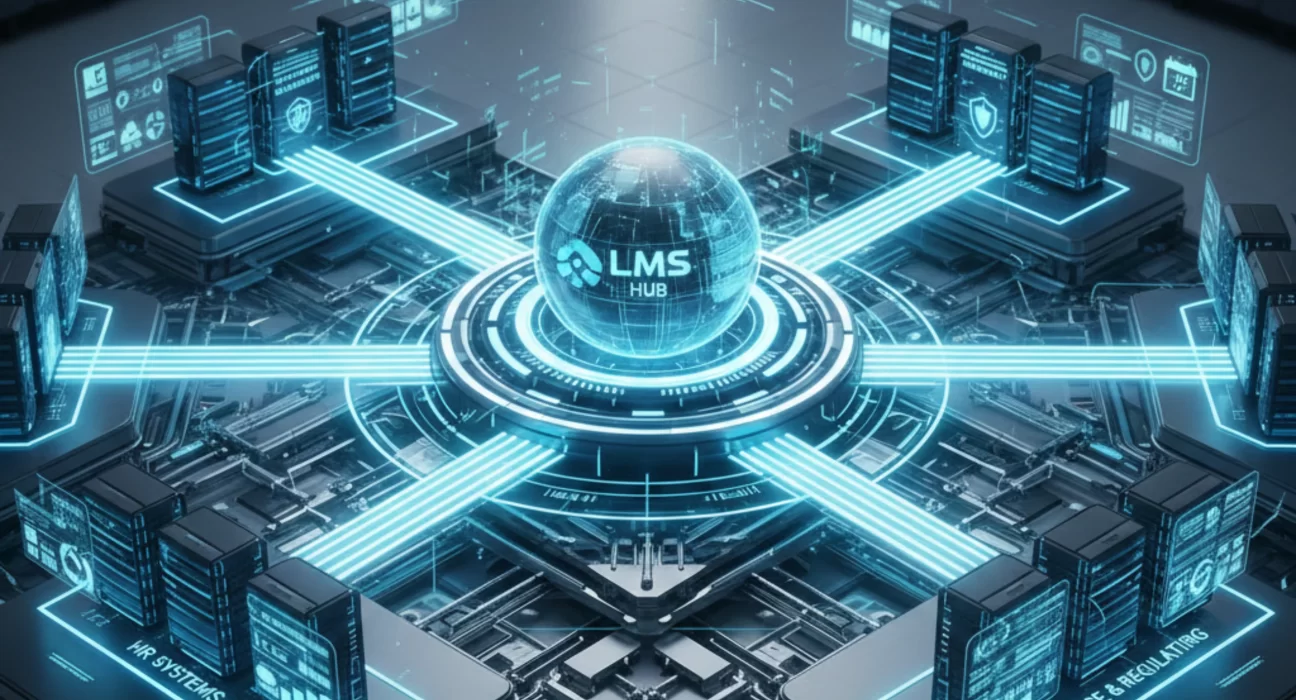
Integrating your learning management system with your HR platform is not optional for large enterprises. It is necessary infrastructure. Without integration, you end up managing employee data in multiple systems, manually updating user records, and running reports that are never fully accurate because the underlying data is never fully synchronized.
The problem is that integration projects fail frequently, especially in large organizations. Not because the technology does not work, but because enterprises underestimate the organizational, technical, and operational complexity involved. What looks simple in a vendor demo becomes complicated when you apply it to your actual environment with your real data, your existing systems, and your governance requirements.
This article provides a practical roadmap for integrating an LMS with enterprise HR systems. It is based on what actually works in large-scale environments, not what vendors promise in sales presentations.
Why LMS and HR Integration Matters at Enterprise Scale
In a small organization, you can manage without tight integration between your LMS and HR systems. Someone can manually create user accounts, update organizational hierarchies, and maintain learning assignments when people change roles. This approach does not scale.
At enterprise scale, employees are constantly joining, leaving, changing roles, moving between business units, and being assigned to new learning programs based on their position or compliance requirements. If your LMS does not automatically sync with your HR system, these changes happen with delays, errors, or not at all. New employees wait days or weeks for system access. Departing employees retain access longer than they should. Role changes do not trigger required training. Compliance reports are inaccurate because organizational data is out of date.
Beyond operational efficiency, there is also a strategic reason for integration. Your learning data and your HR data need to inform each other. Performance management systems need visibility into learning completion and skill development. Learning programs need to be automatically assigned based on job role, location, or tenure. Succession planning needs to account for training history and certifications. None of this works without real-time data exchange between systems.
The challenge is that enterprise HR platforms and learning management systems were built independently, often by different vendors, with different data models and different architectural assumptions. Making them work together reliably requires more than just connecting APIs. It requires understanding how data flows, how exceptions are handled, and how changes in one system should be reflected in the other.
Understanding What Integration Actually Needs to Accomplish
Before you can build a roadmap for integration, you need to be clear about what integration actually means in your environment. This is not a simple question, because different organizations have different requirements based on their learning strategy, compliance obligations, and operational constraints.
At a minimum, most enterprises need user provisioning. When someone is hired and added to your HR system, they should automatically get an account in your LMS with the correct access permissions, organizational assignment, and manager relationship. When they leave, their LMS access should be deactivated. When they change roles, their learning assignments should update accordingly.
Beyond user provisioning, you typically need organizational hierarchy synchronization. Your LMS needs to reflect your actual organizational structure so that learners are grouped correctly, managers can see their team’s learning progress, and reports can be segmented by business unit, department, or location. This sounds straightforward, but organizational hierarchies are complex and change frequently. Your integration needs to handle reorganizations, matrix reporting structures, and temporary assignments without breaking.
Then there is learning assignment automation. Different roles require different training. Compliance requirements vary by location, job function, and seniority. Your integration should be able to automatically assign learning paths, courses, and certifications based on employee attributes in your HR system. This requires mapping HR data fields to learning assignment rules in a way that is both accurate and maintainable.
Finally, you need reporting integration. Learning data needs to flow back to HR for performance reviews, skill inventories, and workforce analytics. Completion records, certification status, and skill assessments from your LMS should be accessible in your HR system or your data warehouse so that decision-makers have a complete view of employee development.
Each of these integration requirements introduces technical and operational complexity. The more comprehensive your integration needs to be, the more planning and execution discipline is required.
The Technical Reality of Integration Projects
Integration projects are not just about connecting systems. They are about managing data quality, handling edge cases, and building processes that work reliably over time as both systems evolve.
Start with data quality. Your HR system contains employee records that were created over years or even decades. Some records are clean and complete. Others have missing fields, inconsistent formatting, or data that no longer makes sense. When you integrate with your LMS, all of this messiness gets exposed. You cannot simply migrate data as-is and expect it to work correctly.
This means you need data profiling and cleansing before integration begins. You need to understand what data you actually have, identify quality issues, and decide how to handle exceptions. For example, what happens when an employee record is missing a manager assignment? What happens when someone reports to multiple managers? What happens when organizational codes in HR do not match the structure you want in your LMS? These decisions need to be made during planning, not during testing when they cause delays.
Then there is the question of synchronization timing. Should user updates happen in real time, or in scheduled batches? Real-time synchronization sounds better, but it creates more technical complexity and more potential points of failure. Batch synchronization is simpler and more reliable, but it means changes in your HR system take hours to appear in your LMS. The right approach depends on your operational requirements and your tolerance for latency.
Error handling is another critical consideration. What happens when an integration attempt fails? How do you detect the failure? How do you notify the responsible teams? How do you recover without corrupting data or creating duplicate records? In theory, integrations should work perfectly every time. In practice, network issues happen, systems go offline for maintenance, and edge cases appear that were not anticipated during design. Your integration architecture needs to handle these situations gracefully.
Finally, there is the matter of ongoing maintenance. Integration is not a one-time setup. Both your HR system and your LMS will be upgraded, patched, and modified over time. Each change has the potential to break integration. You need monitoring, testing, and support processes to ensure that integration continues to work reliably as systems evolve.
Building a Realistic Integration Roadmap
A successful integration roadmap starts with discovery and planning, not with technical implementation. Many organizations skip this phase or treat it as a brief requirements gathering exercise. This is a mistake. The planning phase is where you surface dependencies, identify risks, and build alignment across stakeholder groups.
Start by documenting your current state. What systems are involved? Who owns them? What are their technical constraints? What are their release schedules? What approval processes need to be followed for changes? This information is critical because your LMS integration cannot proceed independently. It is constrained by the systems it needs to connect with.
Next, define your integration requirements in specific, testable terms. Instead of saying “we need user provisioning,” describe exactly what should happen when a user is added, modified, or removed in your HR system. Document the expected behavior for edge cases. Define success criteria that can be verified during testing.
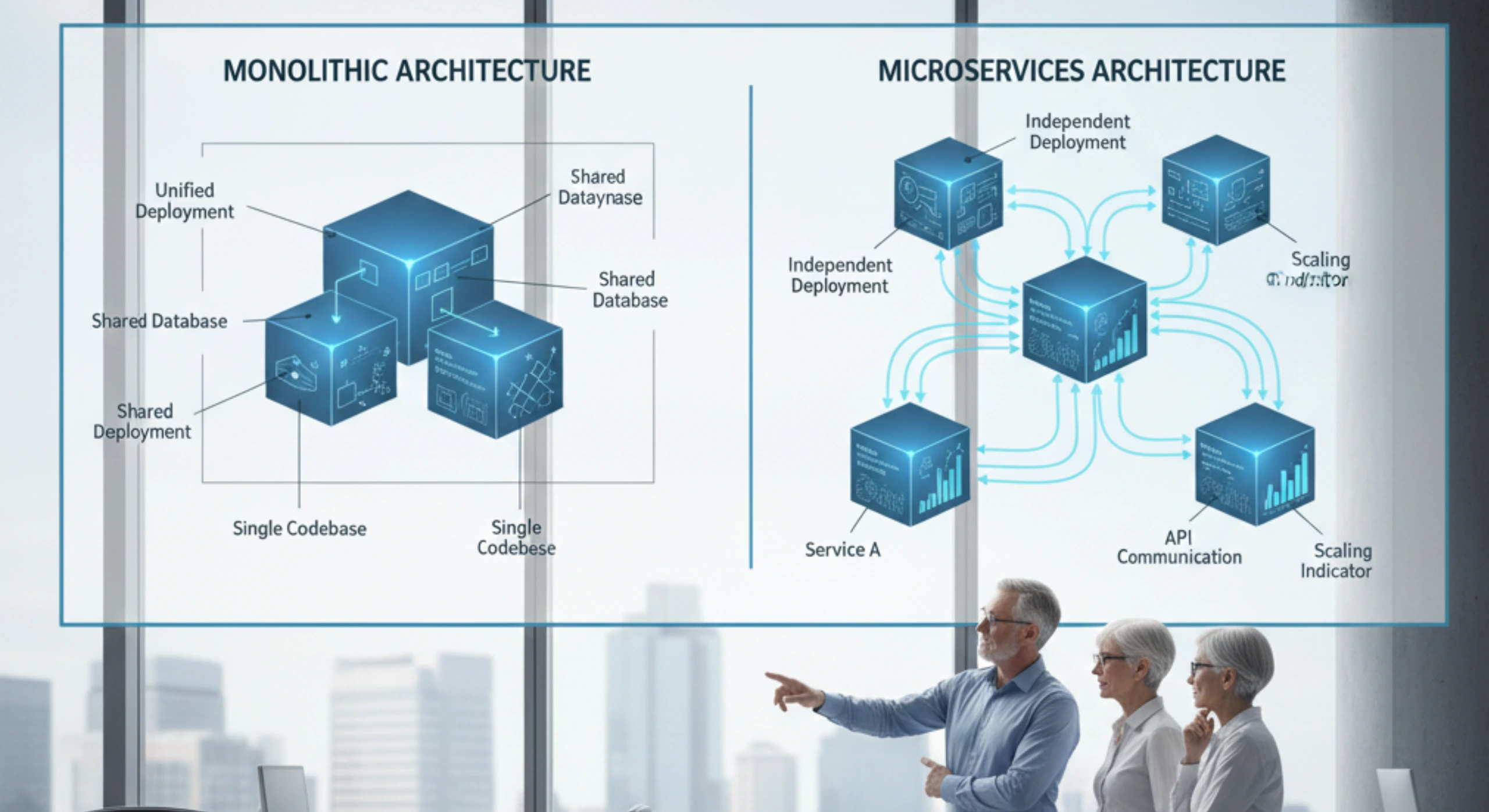
Once requirements are clear, you can design the integration architecture. This includes deciding on integration patterns (real-time vs batch, point-to-point vs middleware), defining data mappings, designing error handling, and planning for monitoring and support. This design work should be reviewed by both your LMS team and your HR technology team to ensure it is feasible and aligns with their technical standards.
Implementation should happen in phases. Start with a basic integration, such as one-way user provisioning from HR to LMS. Validate that it works correctly in your production environment. Then add complexity incrementally, such as organizational hierarchy sync, role-based learning assignments, and bi-directional data exchange. This phased approach allows you to catch and fix issues early before they compound.
Testing is critical and often underestimated. You need to test not just that the integration works under ideal conditions, but that it handles errors, edge cases, and volume correctly. Test what happens when HR data is malformed. Test what happens when the LMS is unavailable. Test what happens when thousands of records need to be synchronized simultaneously. These scenarios will happen in production, so they need to be validated before go-live.
After implementation, you need operational processes for monitoring, troubleshooting, and ongoing maintenance. Someone needs to be responsible for detecting integration failures, diagnosing issues, and coordinating fixes across teams. This responsibility should be defined clearly before go-live, not figured out after problems arise.
Realistic timelines for enterprise LMS and HR integration typically range from three to six months, depending on complexity. Organizations that try to compress this timeline usually encounter issues that take longer to fix than the time they tried to save.
How Ozrit Delivers Integration Projects Successfully
Ozrit is a global technology services company that specializes in enterprise program delivery. We have integrated learning management systems with HR platforms for large organizations across multiple industries, and we understand what separates successful integration projects from failed ones.
Our approach starts with structured discovery. Before any technical work begins, we spend time understanding your systems, your data, your organizational constraints, and your success criteria. This discovery process is led by senior consultants who have delivered similar integrations before and who know what questions to ask. By the time we move into implementation, we have a clear roadmap that accounts for dependencies, risks, and realistic timelines.
We do not rely on junior teams to manage complex integration work. Our directors and principal consultants stay involved throughout the project because they are accountable for delivery. This level of senior involvement is unusual in enterprise services, but it is necessary for programs where technical complexity and organizational coordination are high.
Our delivery methodology is structured but adaptable. We have standard patterns for LMS and HR integration that have proven successful in large enterprises, but we customize our approach based on your specific environment and requirements. We also deliver in phases, validating each stage before adding complexity. This reduces risk and ensures that issues are caught early when they are easier to fix.
After go-live, we provide 24/7 support to ensure that integration continues to work reliably. Our support teams understand your specific implementation and can diagnose and resolve integration issues quickly without lengthy escalation processes. For mission-critical integrations, this level of support is what keeps operations stable.
Final Perspective
Integrating your LMS with your HR systems is one of those enterprise projects that looks simpler than it is. The technology exists. The APIs work. But successful integration requires understanding your data, managing organizational complexity, handling technical edge cases, and building operational processes that keep things running reliably over time.
Organizations that approach integration as a technical task often struggle. Organizations that approach it as a delivery program with clear ownership, realistic timelines, and proper planning tend to succeed. The difference is not the technology. It is the execution discipline and the quality of the team managing the work.