Running one product team is straightforward. You have clear objectives, one roadmap, and direct visibility into progress. Running ten product teams simultaneously changes everything. The complexity does not scale linearly. It compounds. What worked for managing a single team becomes inadequate when you need to coordinate multiple teams building different products on different timelines while sharing infrastructure, resources, and organizational constraints.
Most enterprises discover this the hard way. They scale up product development by adding teams without changing how those teams are managed. For a while, it seems to work. Each team operates independently and makes progress. But over time, problems emerge. Teams duplicate work. Technical debt accumulates. Integration becomes painful. Resource conflicts arise. Strategic alignment drifts. By the time leadership realizes control has been lost, recovery takes months and requires significant rework.
The challenge is not preventing teams from working. The challenge is ensuring that ten teams working in parallel produce coherent outcomes that serve the business rather than ten separate products that happen to exist under the same company.
What Breaks When You Scale to Multiple Teams
The first thing that breaks is visibility. With one team, leadership can attend planning meetings, review progress directly, and understand what is happening through personal involvement. With ten teams, this becomes impossible. There are too many meetings, too many details, and too much happening simultaneously. Leaders try to maintain the same level of involvement and end up in endless status meetings that provide surface-level updates but miss the real issues.
Without clear visibility, problems stay hidden until they become critical. A team might struggle with technical challenges for weeks before escalating. Dependencies between teams are discovered too late to adjust plans. Quality issues accumulate because no one has a complete view of what is being delivered. Leadership operates with information that is weeks out of date and makes decisions based on incomplete understanding.
The second thing that breaks is consistency. Each team develops its own approach to development, documentation, quality standards, and technical choices. In isolation, this seems fine. Teams have autonomy and can move quickly. But inconsistency creates problems at integration time and makes the organization harder to manage over time. New team members face different onboarding experiences depending on which team they join. Security and compliance teams cannot apply standard reviews because every team works differently. And when teams need to collaborate, they spend significant time just aligning on basic practices.
Resource allocation becomes contentious. With one team, resource needs are clear. With ten teams, everyone needs infrastructure support, security reviews, design resources, and access to subject matter experts who serve the entire organization. These shared resources become bottlenecks. Teams compete for attention. Priorities conflict. Projects get delayed waiting for resources that are committed elsewhere. Without clear mechanisms for allocation, the teams with the most persistent product managers get resources while others fall behind.
Dependencies are the silent killer of parallel team execution. Each team might own a distinct product, but those products often share infrastructure, data, or integration points. Team A needs an API from Team B. Team C depends on infrastructure changes Team D is making. Team E cannot launch until Team F completes compliance work. These dependencies create invisible coupling between supposedly independent teams. When dependencies are not managed explicitly, they surface as schedule surprises and force last-minute coordination that could have been planned months earlier.
Strategic alignment drifts over time. Every team starts with a clear direction, but as they execute and encounter challenges, they make small adjustments to stay on schedule or address customer feedback. Individually, these adjustments seem reasonable. Collectively, they can pull the organization in inconsistent directions. After six months, the ten products may no longer serve a coherent strategy, even though each team believes they are executing their original mandate.
The Fundamentals That Make Parallel Teams Work
Managing multiple parallel teams requires different approaches than managing a single team. The goal is not to control every detail. That does not scale. The goal is to establish systems that provide visibility, ensure alignment, and enable coordination without creating bureaucracy that slows everyone down.
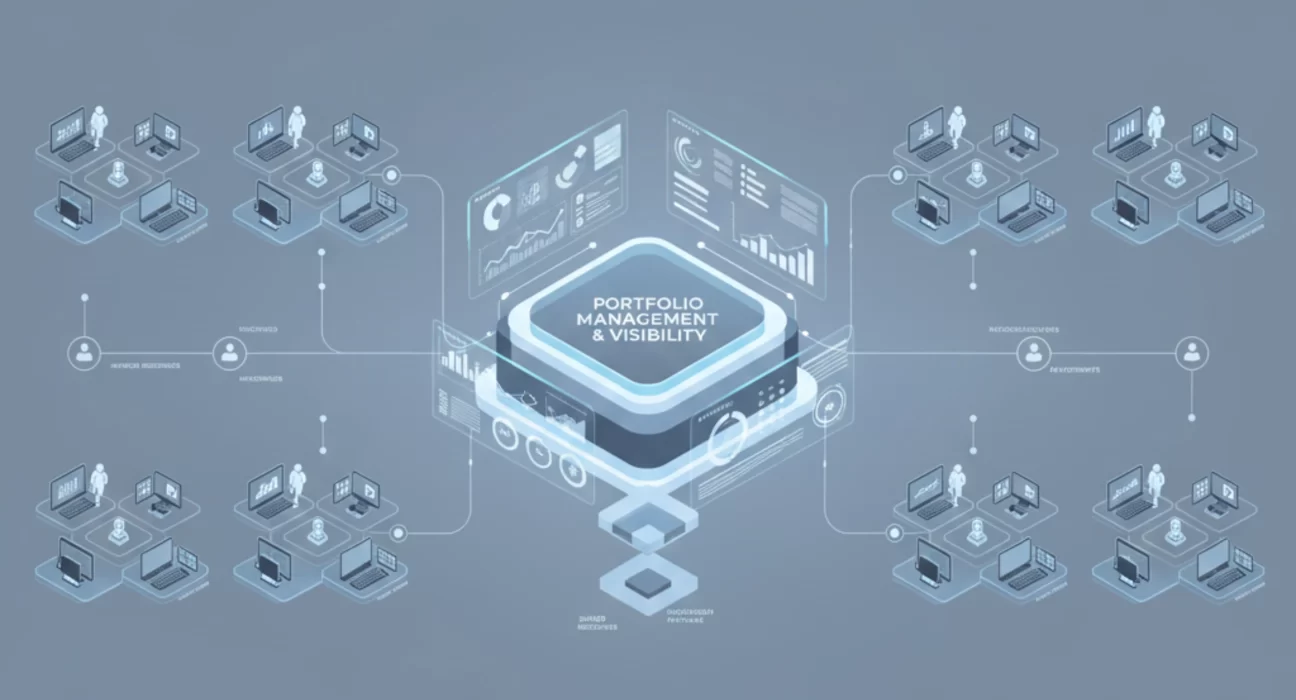
Clear ownership and accountability must be established at multiple levels. Each product team needs an owner with decision-making authority for their product. But someone must also own the overall portfolio of products with authority to make trade-offs between teams, allocate shared resources, and maintain strategic coherence. Without this portfolio-level ownership, coordination happens through negotiation between team leads, which is slow and often fails to reach optimal outcomes.
Standardization in the right areas reduces coordination costs significantly. Teams do not need identical processes for everything, but they need consistency in areas that affect integration and collaboration. Shared technical standards, common tooling for critical functions, and consistent approaches to security and compliance reduce the overhead of teams working together. This does not mean eliminating team autonomy. It means establishing guardrails that make collaboration predictable.
Visibility systems must be designed for scale. Leadership cannot attend every team meeting, but they need accurate, timely information about progress, risks, and blockers. This requires structured reporting that aggregates information across teams without creating excessive overhead for those teams. The best systems make reporting a byproduct of work rather than additional effort. When teams update their project management tools, leadership dashboards automatically reflect current status. When risks are flagged, they surface to the right level for decision-making.
Dependencies must be identified early and managed actively. At the start of every planning cycle, teams should map their dependencies on other teams, shared resources, and external factors. These dependencies become part of the plan, not surprises that emerge during execution. When dependencies change, teams have a process for communicating impact and adjusting plans. This requires tooling and discipline but prevents the majority of coordination failures.
Resource allocation needs explicit governance. Shared resources should not operate on a first-come, first-served basis or based on whoever escalates loudest. Clear prioritization frameworks help allocate resources to the highest-value work. Regular review cycles ensure allocation adjusts as priorities shift. And capacity planning helps teams understand realistic expectations rather than planning based on optimistic assumptions about resource availability.
Integration must be planned as first-class work, not an afterthought. When multiple teams build products that need to work together, integration is not something that happens automatically at the end. It requires dedicated time, clear ownership, and realistic scheduling. Teams that treat integration as a minor detail consistently encounter major problems late in delivery when options for addressing them are limited and costly.
The Operational Rhythms That Maintain Control
Parallel teams need operational rhythms that enable coordination without constant real-time communication. These rhythms create predictable touchpoints where alignment happens, decisions are made, and course corrections occur.
Weekly team-level reviews keep teams on track and surface issues quickly. Each team reviews progress against their plan, identifies blockers, and escalates issues that require leadership intervention. These reviews are internal to the team and focus on execution details. They are not status theater for leadership but working sessions where teams solve problems.
Bi-weekly cross-team synchronization addresses dependencies and integration. Representatives from teams with interdependencies meet to confirm timing, review integration plans, and flag any changes that affect others. These sessions are focused and action-oriented. Teams leave with clear commitments about what they will deliver and when.
Monthly portfolio reviews bring leadership together with team leads to assess overall progress, adjust priorities, and resolve resource conflicts. These reviews look at the full portfolio of products rather than individual team status. They focus on strategic questions about whether the mix of work still serves business objectives, whether resource allocation is optimal, and whether risks are being managed appropriately.
Quarterly planning cycles establish direction and coordinate major initiatives. Teams plan their next quarter based on strategic priorities, available resources, and lessons from the previous quarter. Dependencies are identified upfront. Resource needs are negotiated before commitments are made. Teams begin each quarter with realistic plans that account for organizational constraints.
These rhythms provide structure without creating bureaucracy. Each touchpoint has a clear purpose and produces specific outcomes. Teams know when coordination will happen and can plan accordingly. Leadership gets visibility and decision-making opportunities without being pulled into every detail.
How Ozrit Manages Multiple Parallel Product Teams
Ozrit works with enterprises that need to run multiple product development efforts simultaneously while maintaining coherent strategy and predictable delivery. These organizations typically have the teams, the funding, and the strategic intent. What they lack is the operational framework to keep everything aligned and moving forward without leadership losing visibility or teams losing velocity.
The approach starts with senior team involvement to establish portfolio-level ownership. Multiple parallel teams cannot self-coordinate effectively without someone who has authority across all of them. Ozrit’s senior team takes this portfolio ownership role, working directly with enterprise leadership to maintain strategic alignment while giving product teams the autonomy they need to execute. This is not delegation to program managers. Senior leaders own outcomes and have the credibility to make difficult trade-offs when necessary.
Onboarding focuses on establishing the operational framework before teams scale up. Ozrit assesses current team structures, identifies gaps in visibility and coordination, and designs operational rhythms appropriate for the organization’s culture and scale. This includes defining ownership at team and portfolio levels, establishing dependency management processes, and implementing tooling that provides visibility without creating reporting overhead. Teams understand how coordination will work before they commit to delivery timelines.
Delivery happens through structured planning cycles that account for dependencies and realistic resource availability. Teams do not plan in isolation. Planning happens with visibility into what other teams need, what shared resources are available, and what integration points exist. This upfront coordination prevents the majority of schedule conflicts and ensures commitments are realistic from the start.
Throughout execution, Ozrit maintains visibility through structured reporting and regular reviews. This is not status theater. Reviews focus on identifying risks, resolving blockers, and adjusting plans when circumstances change. Because Ozrit’s senior team is involved in both strategic decisions and operational execution, they can make trade-offs quickly without escalating every decision through multiple organizational layers.
Support is available 24/7 because parallel teams encounter issues that need rapid resolution to prevent cascading delays. When one team hits a blocker that affects others, immediate response minimizes downstream impact. When resource conflicts emerge, quick decisions keep teams moving. Delayed escalation in multi-team environments compounds into significant schedule impacts.
The result is multiple teams delivering predictably while maintaining strategic coherence. Teams have autonomy within their domain but coordinate effectively on dependencies. Leadership has visibility into progress and risks without being overwhelmed by details. And the organization delivers a portfolio of products that serve coherent business objectives rather than a collection of independent efforts.
Building Organizations That Scale
The ability to run multiple parallel product teams effectively is what separates enterprises that can execute ambitious strategies from those that remain stuck in sequential delivery. Sequential delivery is safe but slow. Parallel delivery is fast but requires operational sophistication that most organizations lack.
Leadership teams that invest in the operational frameworks, tooling, and discipline needed to manage parallel work gain significant competitive advantage. They can pursue multiple market opportunities simultaneously, respond faster to competitive threats, and deliver more value in compressed timeframes. Organizations that scale teams without scaling their management capabilities end up with more activity but not proportionally more output.
The investment required is not primarily financial. It is attention and discipline. Establishing clear ownership, implementing effective coordination mechanisms, and maintaining operational rhythms takes leadership focus. But organizations that make this investment once can scale their execution capacity repeatedly. Those that avoid the investment will find themselves unable to execute the ambitious strategies their boards and markets demand.